Showing posts with label history. Show all posts

Monday, August 10, 2020

Riveting Span over Pine Creek


In Iowa terms, 144 years is a long time ago. But that's when a Canton, Ohio bridge company made iron truss spans, rods and rivets for a bridge that was constructed over Pine Creek, northeast of Muscatine, Iowa. That single intersection truss bridge still stands and is now part of Wildcat Den State Park. Today the sun position was just so in illuminating the pitted bridge span surface and its shadow casting rivets. Almost a century and a half's worth of weathering and lichen growth adds rustic charm to the bridge aesthetics. Ultimately, those elements will lead to the bridge's structural demise - hopefully not for another 150 years.

Friday, December 8, 2017

USS Iowa BB-4 Part of Stereo Card...and History


Before the WWII battleship (now a museum) of the same name, the USS Iowa name was first bestowed to a new class of war fighting ships over 120 years ago. This photo was processed from a stereo card that yellowed through the years. I processed the scan and improved the overall condition of the image.

The Iowa was commissioned in 1896 and saw active duty off of Cuba during the Spanish American War including the battle of Santiago Harbor. It was the first US Navy ship to be named Iowa. Following de-commissioning in 1919, the ship finally served as a target platform off Panama Bay in 1923 and was sunk. The Universal Photo Art Company produced the original stereo card.

Sunday, February 19, 2017

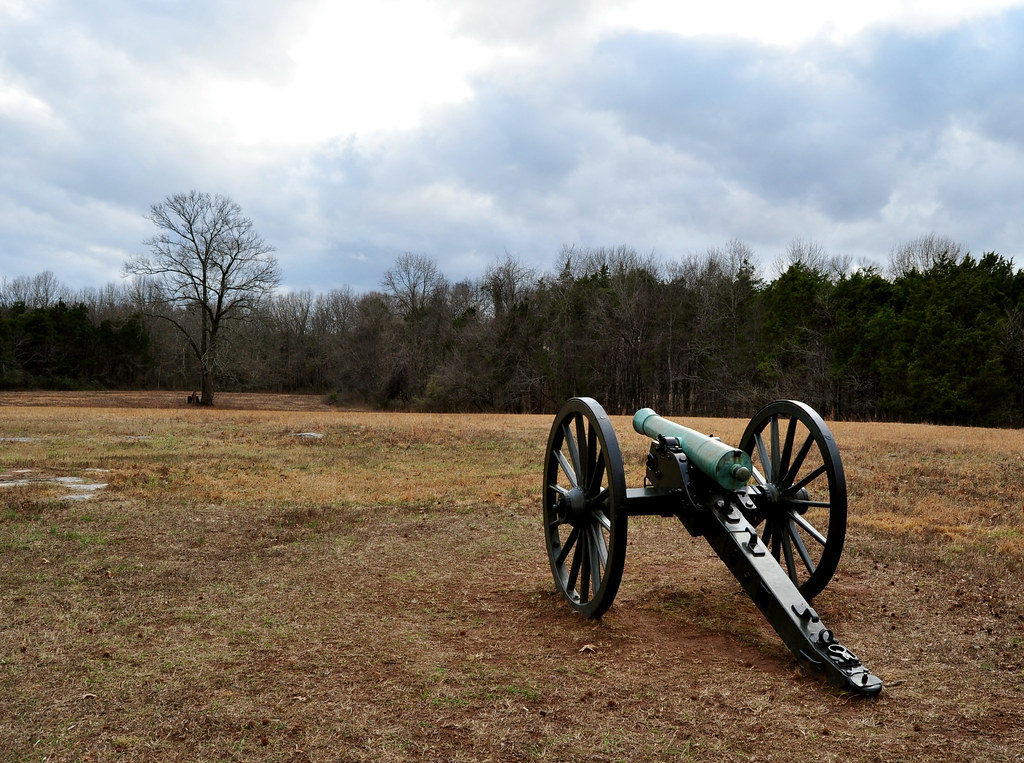
A Stone's River Battlefield Cannon Study


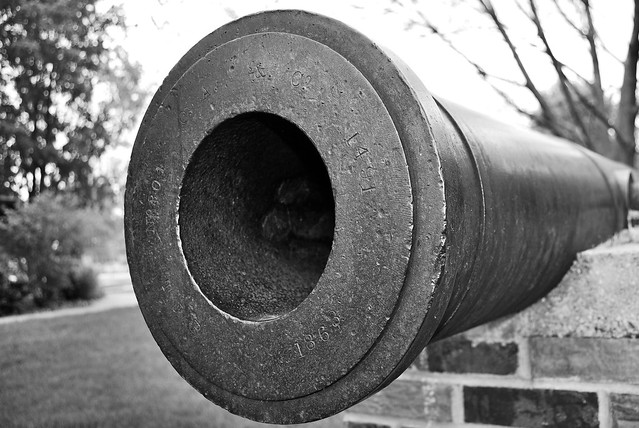
A big draw for this Midwesterner is visiting any Civil War battlefield. In this case the reward is spending time in the Stones River National Battlefield in Murfreesboro, Tennessee. I have been fortunate to visit it briefly twice now. The park consists of two sections. The battlefield and the national cemetery.


Park officials have placed chicken wire down the cannon to prevent animals and small children from crawling in.


I plan to visit the park again, educate myself on its history and showcase more of it.

Monday, June 27, 2016

An American Railroad - Mixture of Media


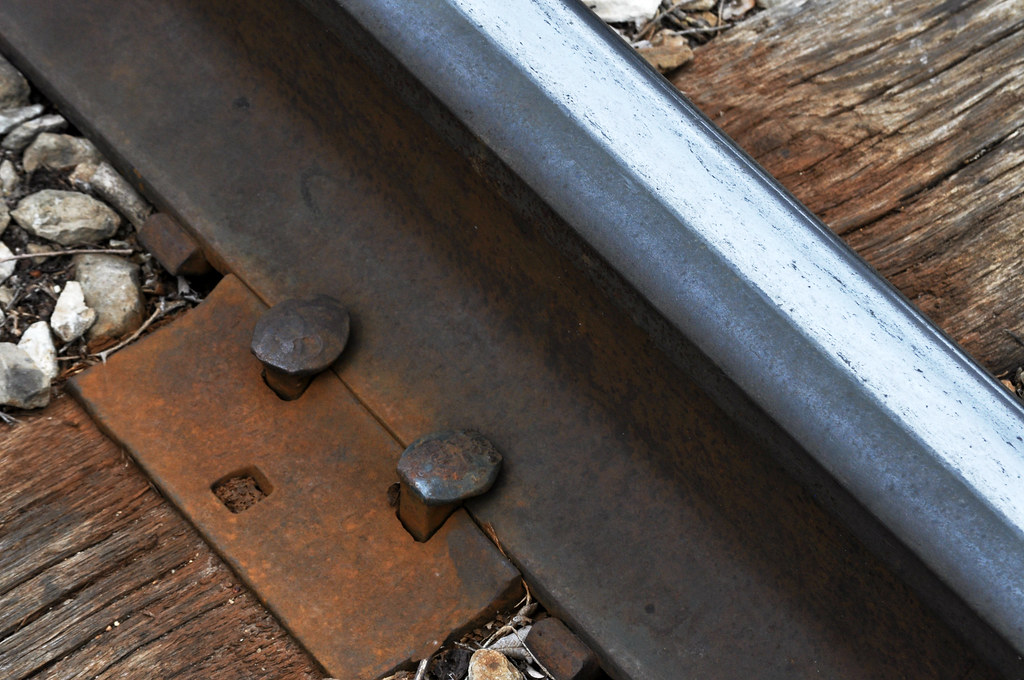
Shiny rails indicate a still active rail line passing through Vinton, Iowa. The old Vinton Depot is a favorite photo target and is now a historical museum. The depot building, which was once part of the Rock Island Line, will be featured in a future posting but for now I am quite taken by the detail in this image.

On a rail bed, called ballast and made up of hard rocks typically quartzite, is an almost submerged cedar or Douglas fir tie. Upon the tie is an iron brace which shores up the rail line. Two railroad spikes anchor the brace on the exterior of the track. There is an interior brace and spikes opposite the exterior brace however they cannot be seen from this viewpoint.

One can often find spent spikes or brackets along the tracks, garage sales, thrift shops or as repurposed artwork. Technically these items belong to the railroad and are often rounded up near the tracks and hauled away for salvage.

Tuesday, April 19, 2016

A Message from the Late 1800s


There's an old dump adjacent to the Cedar River in Cedar Falls, Iowa. As the sandy soil erodes, a mix of industrial and residential discarded material surfaces. Present in this image are fragments of coal and a large iron I-stake. A few steps away are shards of glass from broken small bottles and various busted ceramic pottery. Its an interesting area but be sure to wear thick footwear. Clues from the marks on the ceramics and other material suggest that the majority of the dump contains items from the late 1800s. About three feet away from this stake is where lucky Noah (see previous post) found the clay pipe bowl.

Tuesday, October 13, 2015

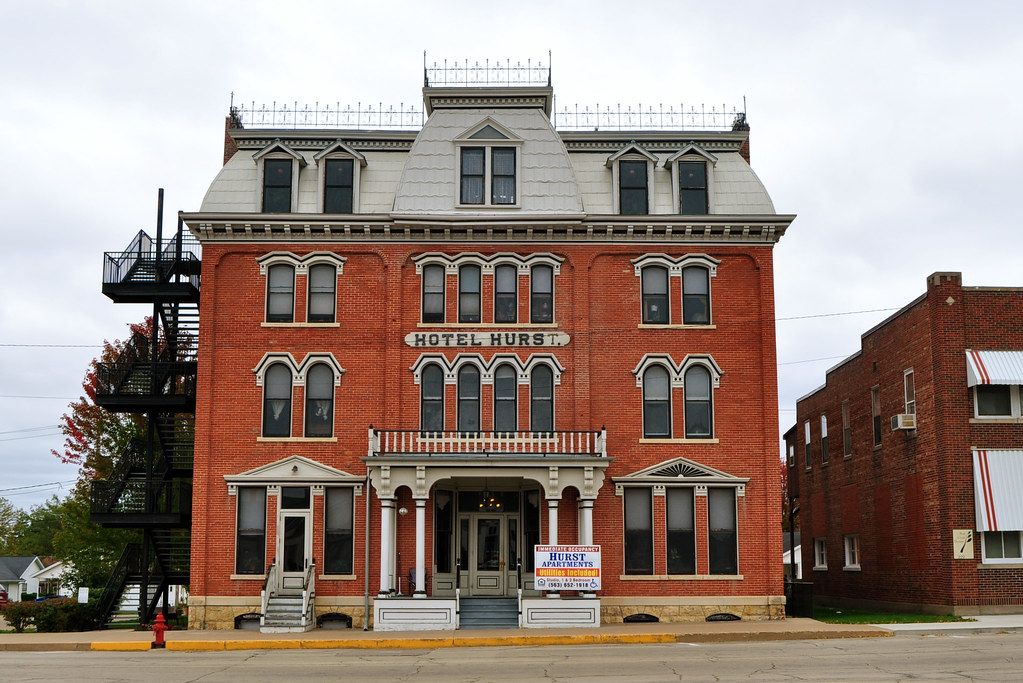
Rooms Available at the Hotel Hurst in Maquoketa, Iowa


Like many towns here in the Midwest, there are a number of unique architectural buildings near downtown. Maquoketa, Iowa located in the eastern portion of the Hawkeye state boasts a few historic structures from long ago. This one retains its former name, Hotel Hurst while offering 21st century town dwellers comfortable residential living as apartments for seniors I think. If the walls could talk they might reveal how and why the building was constructed but more importantly the many stories from hotel visitors when the town depended on rail for their connection to the world.

Sunday, September 6, 2015

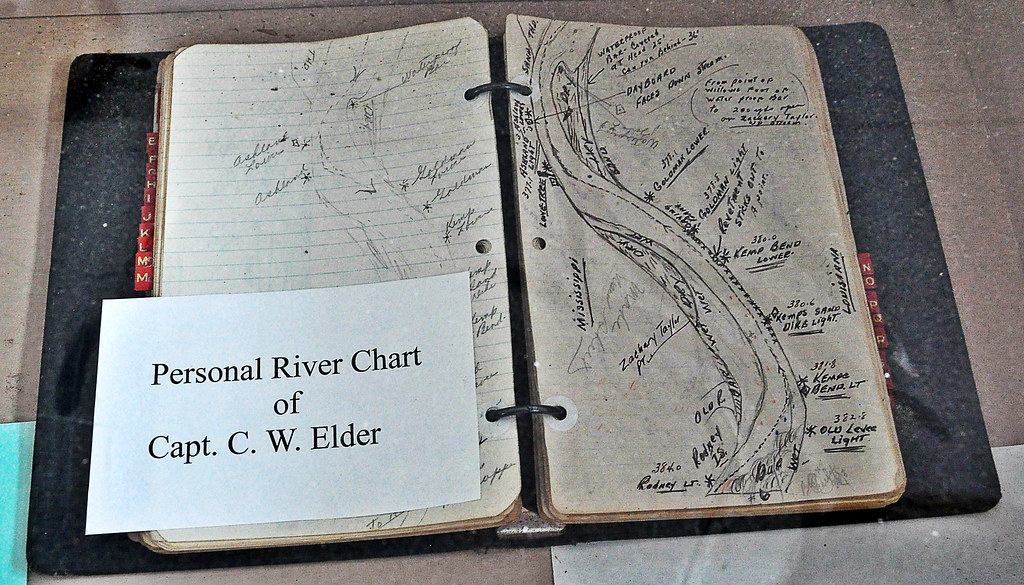
A Towboat Captain's Detailed Map of the Lower Mississippi River near Rodney Island


In the days before easily updatable mapping software, towboat captains on the Mississippi River detailed sections of the river in their log books by hand drawings. Captain C.W. Elder's map book can be seen at the George M. Verity River Museum in Keokuk, Iowa. The 1920's towboat was decommissioned and sold to the city of Keokuk in 1961 for the purpose of educating generations about towboats on the river.

This map appears to show the hazards of the water along a stretch of river between Mississippi and Louisiana, just north of Natchez, MS. South is to the top of the map. Rodney Island is the key to trace this hand drawn waterway illustration to modern maps like Google Maps. Discover for yourself.

Monday, August 31, 2015

Chief Keokuk Oversees the Mississippi River


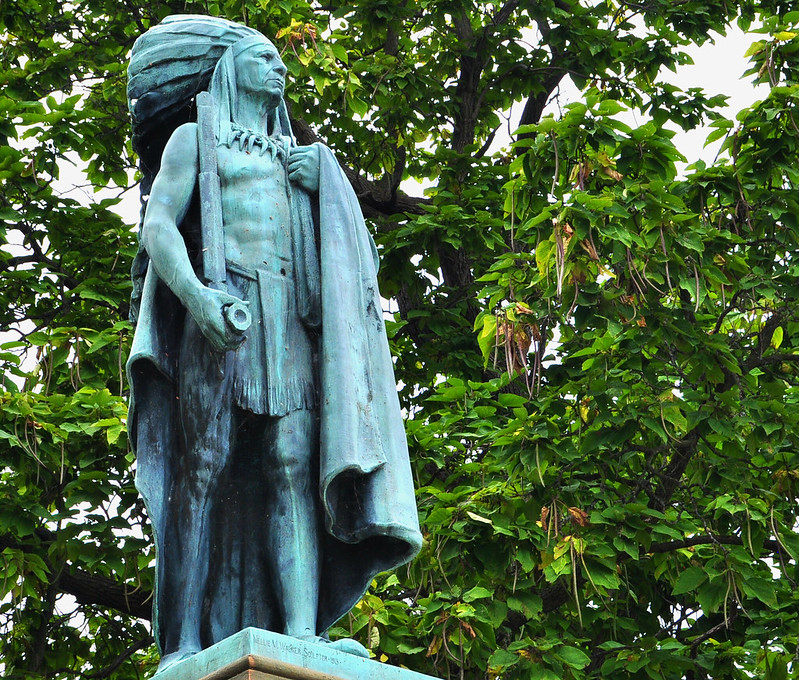
Atop a limestone bluff overlooking the Mississippi River in southeast Iowa is the gateway city called Keokuk, named after the region’s Sac and Fox warrior chief. He died during 1848 in Kansas. The Chief's remains and "other materials of historic value" were reinterred at the base of this moment in the city named in his honor. The town is one of Iowa's oldest communities as explorers coming up the Mississippi stopped at the confluence of the Des Moines and Mississippi Rivers to settle. Later the town became one of the jumping off points for pioneers setting out on the Mormon trail to Salt Lake. Its a very historic town that brims with the sights of the past.

Sunday, August 2, 2015

FIFI B-29 Prepares for Takeoff at KCID Cedar Rapids Iowa


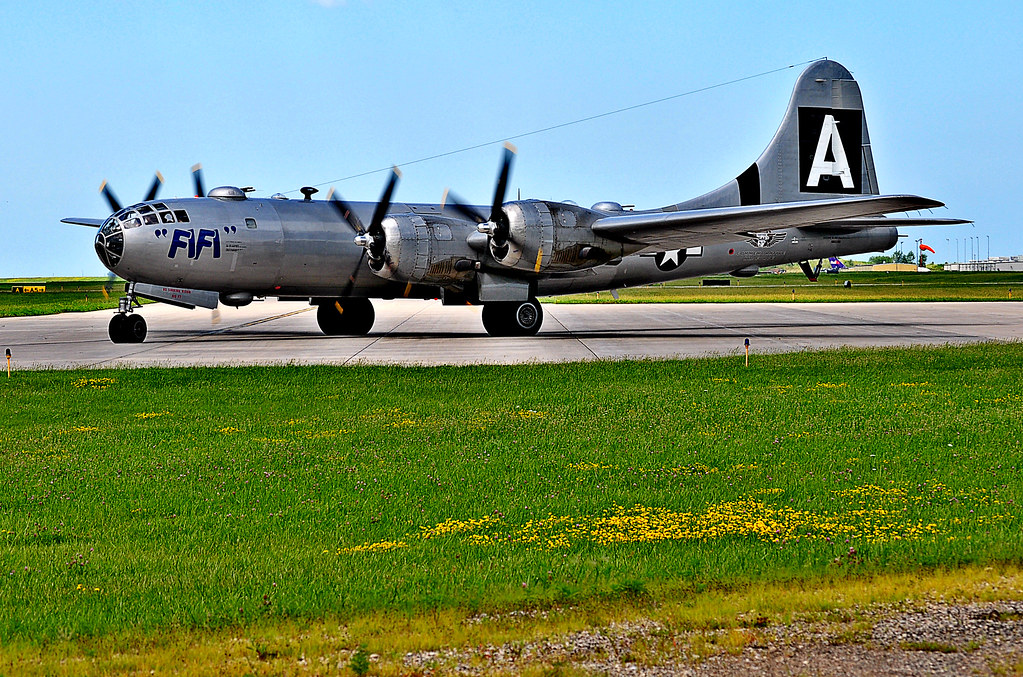
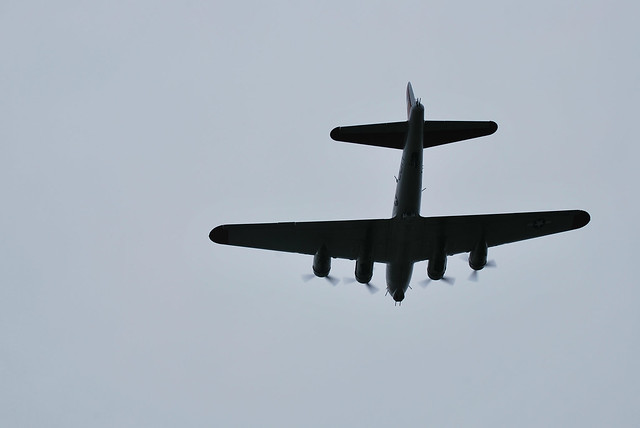
Fifi the B-29 World War II bomber made a four day stop in Cedar Rapids, Iowa this weekend. These three photos are from this morning during the plane's last full day here. Yesterday the weather was fantastic and many people turned out to see the aircraft and other WWII era fighters.


By going black and white and jacking the contrast I produced this old time looking image of the plane. With some sand and tropical trees this could very well be some runway in the South Pacific during 1945.


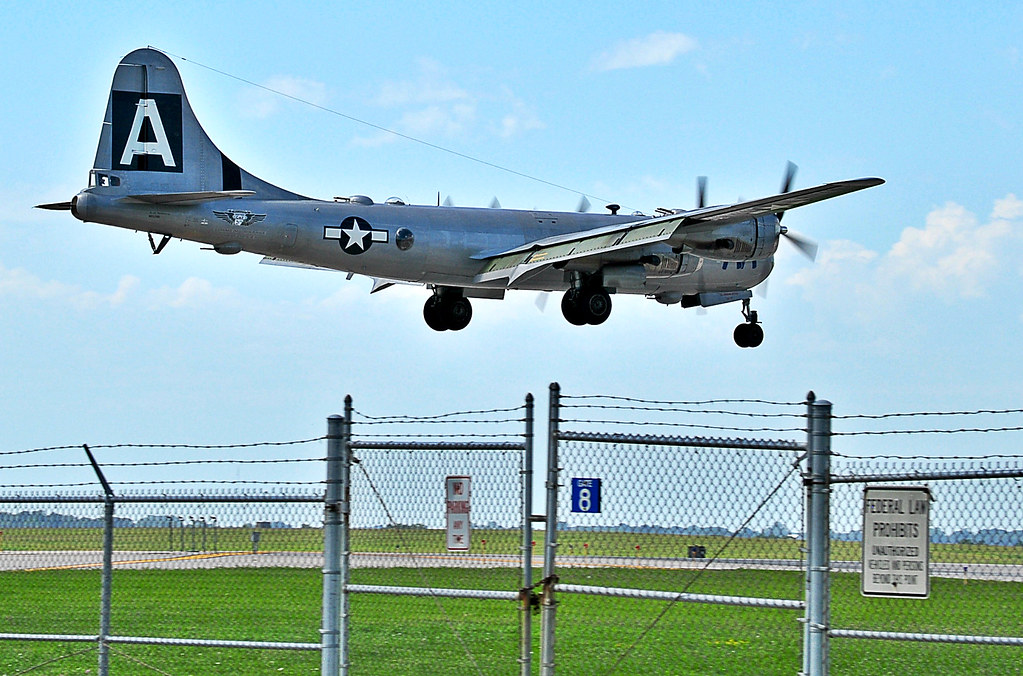
Fifi's late morning trip around the Cedar Rapids area ended with another successful landing at KCID. Airport Park area on the east side of the property is an excellent place to see and hear planes of all sorts come and go. Its just not everyday when a historic aircraft like the B-29 comes to town.

Saturday, February 28, 2015

Keys to Something in the Past


Keys for sale. Four keys for a dollar the sign reads. But to what? Unless these are universal keys, they don't open anything any more. Still these metal objects seem to sell - albeit slowly. To me they are more of an interesting photo study than anything else.

Wednesday, September 10, 2014

Leading Edge Orange


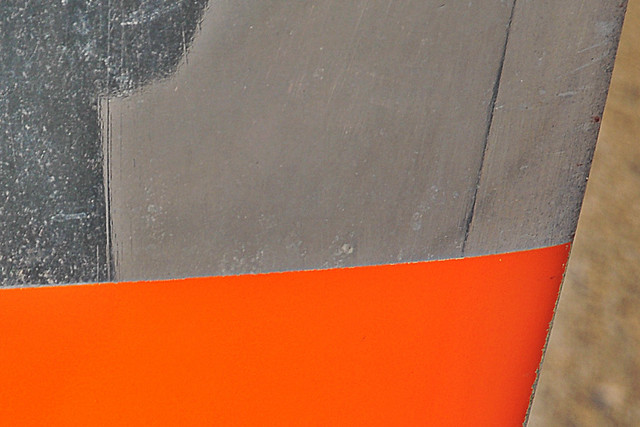
Close up of a restored DC-3 prop. A pitted and bug soaked leading edge on the right. More DC-3 photos to come.

Sunday, June 22, 2014

In Search of Ancient Americans - A Bill Anderson Presentation


Retired educator Bill Anderson spoke to a packed room at the English Valley History Center on Sunday, June 22, 2014. His topic was In Search of Ancient Americans and dealt with native tribes of southeast Iowa. Bill's opening remarks focused on his experiences as a middle school social studies educator and administrator.

Half jokingly Bill told the audience that there are four things that he would never do again if given a chance. Those being not to substitute teach, be a principal, officiate sports or drive a bus of kids.

Bill, who has a deep love of history and archeology has researched and collected items around North English and southeast Iowa for decades. He displayed an extensive collection of artifacts for his one hour presentation to demonstrate tools used for hunting and cooking. Bill's interest is to find evidence of ancient human existence and try to determine how those people lived.

While it is commonly believed that the Bering Strait land bridge allowed people to migrate from Asia to the Americas, Bill's talk focused on the period of European contact within Iowa. He explained that the Ice Age retreat of the glaciers probably led to conditions where mammoth kills took place. Currently there is an active dig of a mammoth herd near Ottumwa, Iowa. A search for a human connection to this site continues.

Bill showed examples of tools used by native cultures including arrowheads, mulls, axes, atlatls, plumb bob, game rock and fire crack rocks.

In Iowa Bill said there are 26,000 known native archeological sites, 348 sites alone in Iowa County. The state's archeological office estimates there are up to two million sites in Iowa. His talk in front of roughly 50 people also covered a summary sketch of Chiefs Wapello and Keokuk of Iowa plus Sauk & Fox warrior, Black Hawk, who to the surprise of many, was not a chief. All three leaders were present in the North English area from time to time.

"We need to teach more of the heritage of Iowa from all societies in our schools today," said Bill. "We can learn much more from them."

Wednesday, June 11, 2014

Aluminum Overcast Visits Cedar Rapids During 2014 D-Day + 70 Years - Part 4


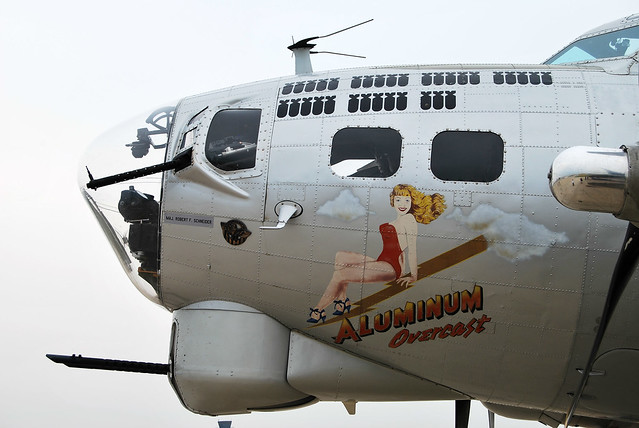
Last batch of photos of the Aluminum Overcast B-17 from last Saturday, beginning with the all important nose art.


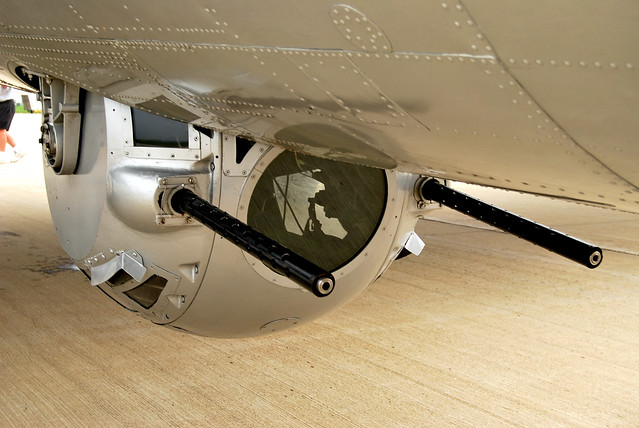
Bottom turret gun. You had to be very small to fit in there.


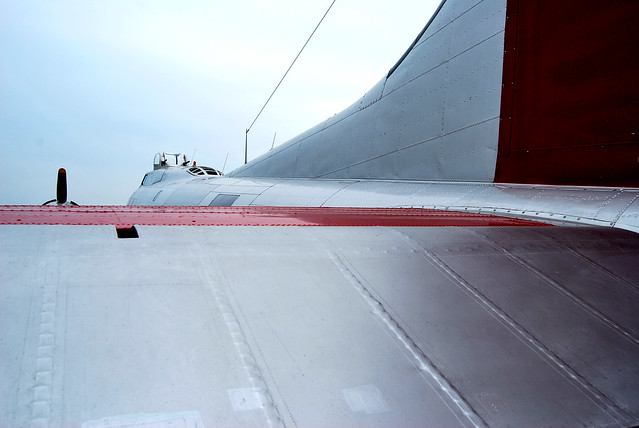
Lots of aluminum on this warbird. And the overall color matches the sky conditions of the day too.


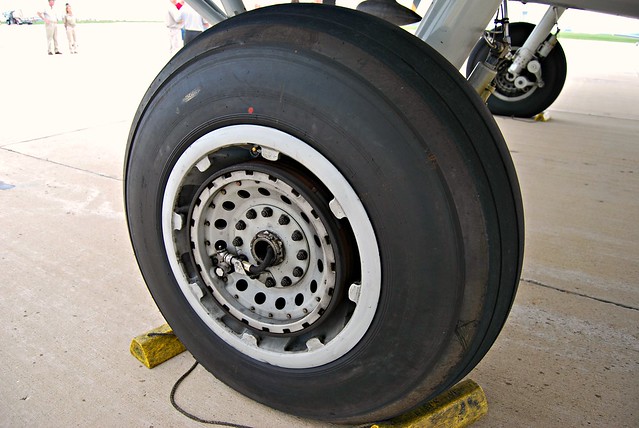
Cool newer tires on an old plane. While it may be old the Aluminum Overcast is well maintained. See it if you have a chance. 


The next stop for the Aluminum Overcast is Ankeny, Iowa. See the details of the 2014 tour here.


Thursday, October 31, 2013

Standing on History - Split Rock


I almost missed it. Along State Highway 287 in central Wyoming (near Riverton) is a very small sign directing you to stop and gaze upon this broad valley. Near the parking area, three information signs tell the story. This is Split Rock, a natural gap between stone mountains that anchor a broad plain containing a freshwater river and green grasses.

Why is it famous? In the 1800s some half million pioneers traveled west through this valley while on the Oregon Trail and Mormon Pioneer Trail. Both routes converged through this passage. Even the short lived Pony Express ran through this valley. Descriptions of this vista and its history are on display near where the photo was taken. 

Highway 287 to Lander parallels much of the Oregon trail for several miles in this region - sometimes just a few yards from the paved highway. Had I known this historic fact I would have been treated to seeing the actual ruts of metal wagon wheels made by pioneers over one hundred and fifty years ago. Do your trip research ahead of time is the lesson.

Monday, May 20, 2013

Howitzer "Guards" Lock & Dam 10 at Guttenberg, Iowa


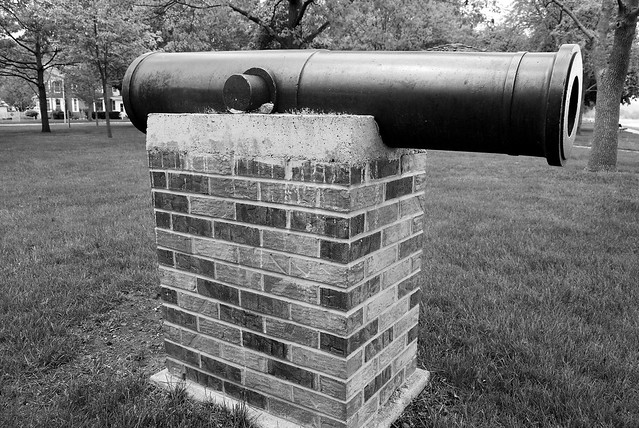
Guttenberg, Iowa is a scenic small town located in northeast Iowa along the Mississippi River. Among the many sites of the historic town is the relatively new veteran's memorial and cannon display. Yesterday as the 42N team took some of the scenic highways to and from Iowa's driftless area, a stop at Lock & Dam No. 10 produced an opportunity to perform a quick photo study of a Civil War era cannon. 

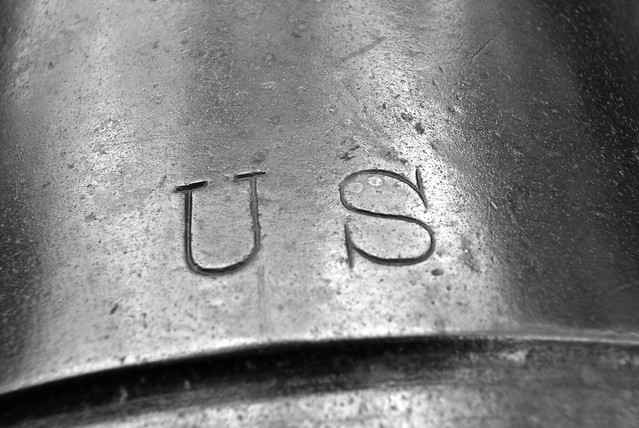
From the markings on the cannon I discovered this is a 24-pounder flank howitzer. The foundry that made this cannon in South Boston, Mass. produced 577 of these heavy fellows, of which some 269 survive. This particular cannon was produced in 1863.


Guttenberg's old time cannon is situated perpendicular to the river and is aimed at Wisconsin. But don't worry Badger fans. Given the altitude of the barrel there is no chance that even a fully charged cannon ball would fly past the state line located at mid-river. Since this is an inactive cannon (for display only as part of the veteran's memorial) the purpose of the hardware is to remind people of the epic struggle fought by area soldiers and sailors a hundred and fifty years ago.