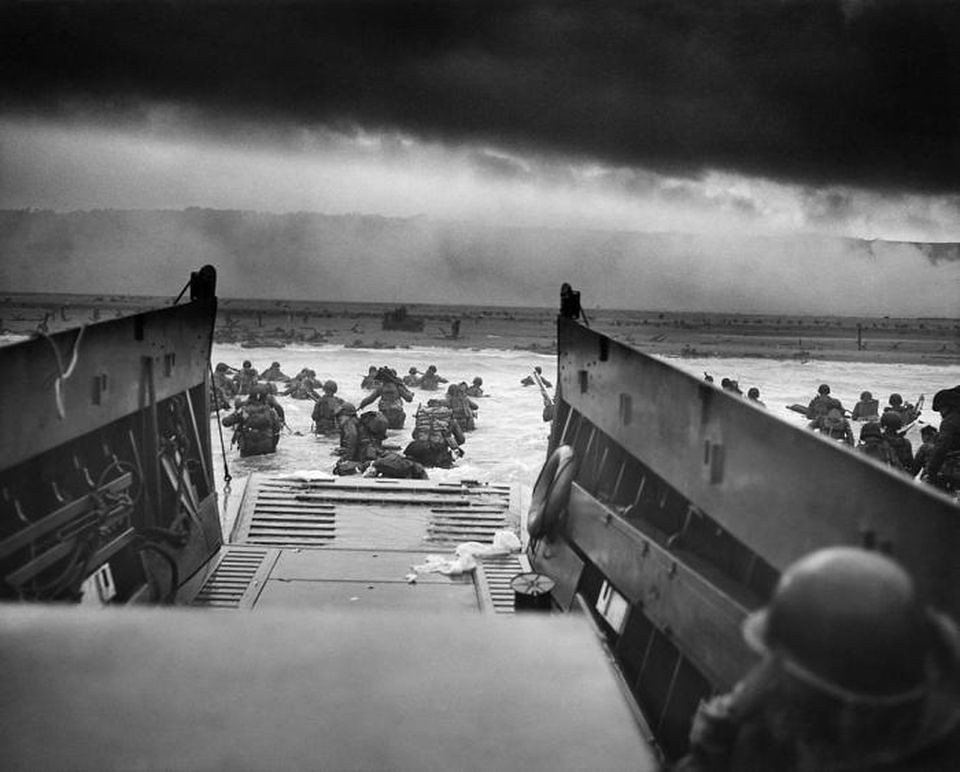
For years I have contemplated traveling to Normandy, France to see firsthand the beaches where Allied forces came ashore on D-Day 1944. While that goal persists, I recently came in contact with an icon of that pivotal day.
This much reproduced photograph (now in public domain) by Robert F Sargent, shows US troops debarking from their landing craft at Normandy's Omaha beach on D-Day. The modern film, Saving Private Ryan opens with this same scene re-imagined for the movie.
The vessel type, known as Higgins Boats by their manufacturer, was designated the Landing Craft, Vehicles and Personnel or LCVP, and was operated by the US Navy. Reports of up to 839 Higgins boats were used to carry US troops and materiel during support of D-Day, June 6th.
Higgins Boats were made of wood and designed to operate in shallow water. LCVPs were powered by 225-250 hp engines, operated by a crew of three, and carried up to 36 soldiers or was reconfigured to haul jeeps and supplies. Higgins Boats were protected with two 30 caliber machine guns.
I thought (incorrectly) that LCVPs used at Normandy were constructed of 100% steel for protection of its contents. Not so. Not even close. See for yourself.
My schooling occurred far from 1944 Normandy in land-locked Vincennes, Indiana at the home of the Indiana Military Museum last fall. There, in the museum's expansive warehouse is a rare specimen of a surviving Higgins Boat - one of 12 reportedly left in the world.
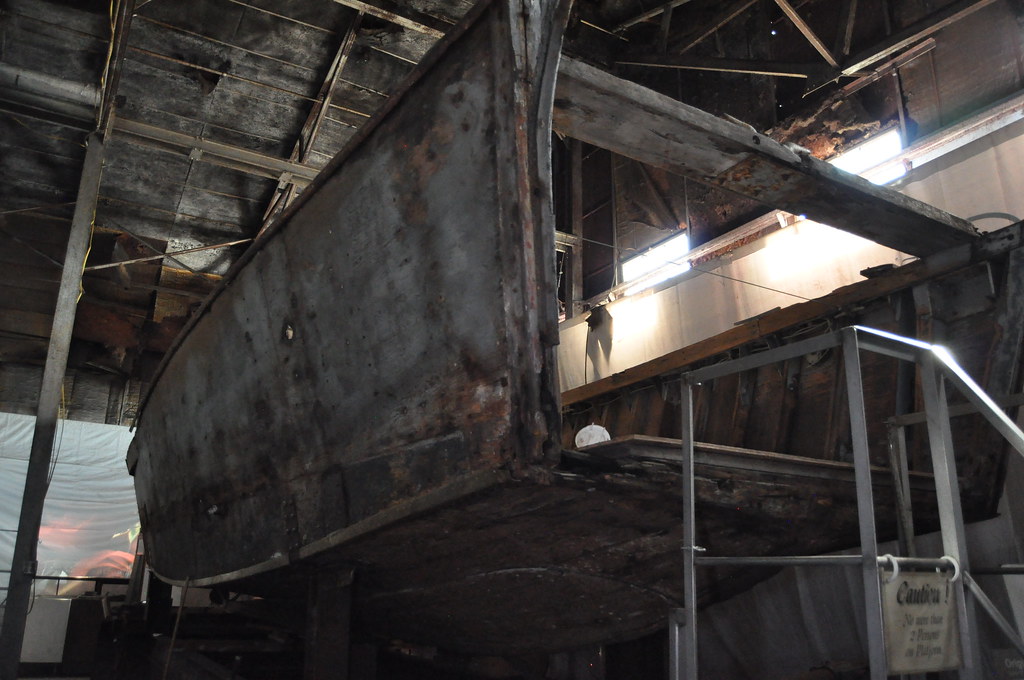
This Higgins Boat was purchased or donated to the museum from a source in Florida during 2012. I believe the craft was last actively used as a fishing boat. The museum is seeking to restore the Higgins Boat for public display - donations are accepted.
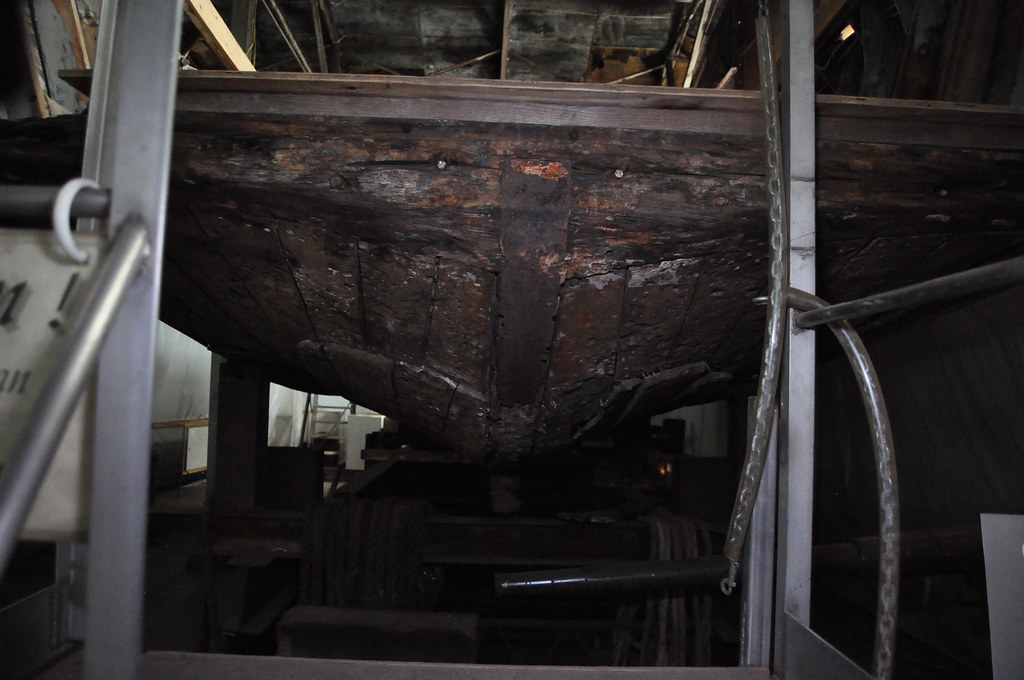
Here are a selection of photos of AG 9-2 in her original Navy colors. Inspect the draft, beam, and propeller section of this incredible and historic boat.
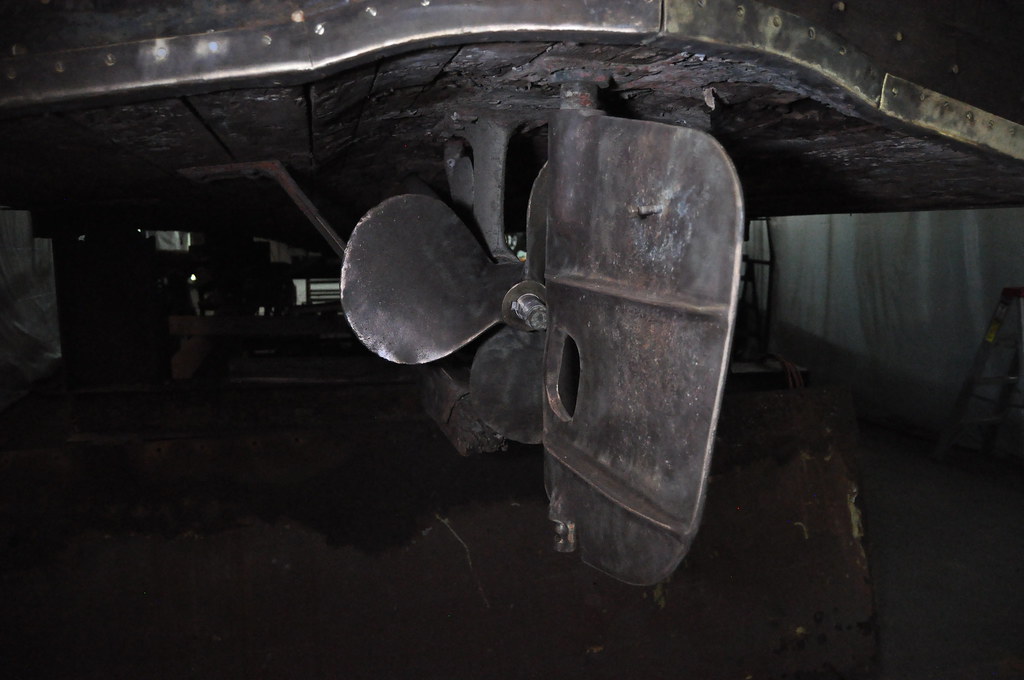
There is no mention at the museum as to the history of this particular Higgins Boat during the war. More research is needed. Regardless of its use, either in the Atlantic or Pacific theaters of war, Higgins Boats are forever tied to the D-Day landing at Normandy beaches 74 years ago today.
Wednesday, June 6, 2018
D-Day Type Higgins Boat Under Restoration at Indiana Military Museum
Labels:
1944,
Allies,
boat,
D-Day,
France,
Germans,
Germany,
Higgins boat,
invasion,
June 6,
Normandy,
Operation Overload,
Saving Private Ryan,
WWII
Wednesday, May 30, 2018
Exodus over the Mississippi
A recent United Van Lines survey of where Americans are moving from indicated that people are leaving the state of Illinois. That may be so but on Memorial Day weekend 2018, there was practically no traffic on the Mississippi River bridge at Muscatine, Iowa.
Sunday, May 20, 2018
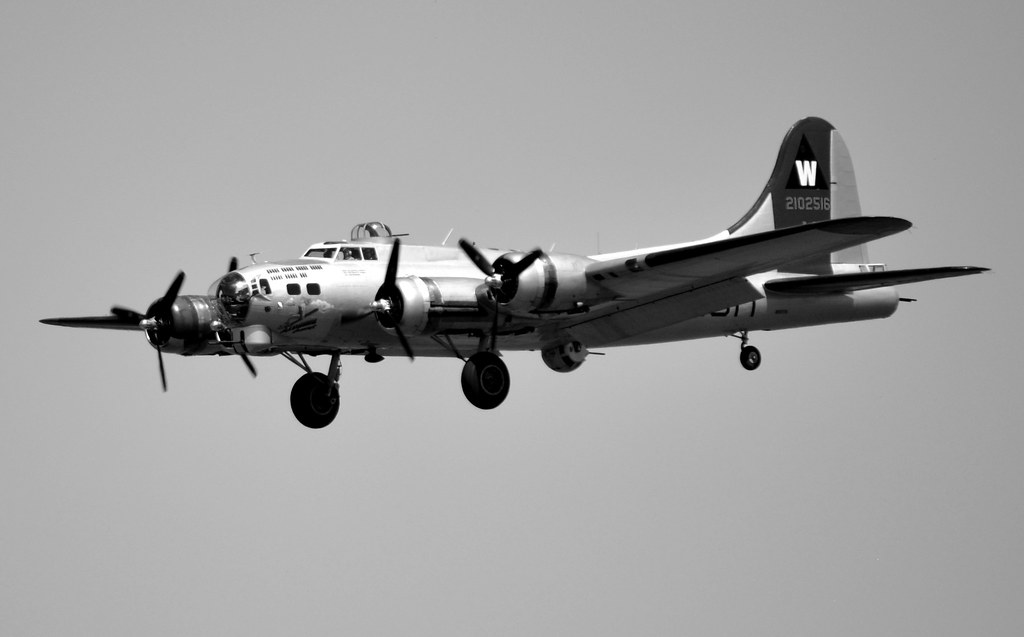
B-17 Aluminum Overcast Visits Burlington, Iowa
Almost annually a WWII warbird visits the Hawkeye state. This year, Aluminum Overcast, one of nine flying B-17s made a three day stop in Burlington situated along the Mississippi River on May 4th through 6th.
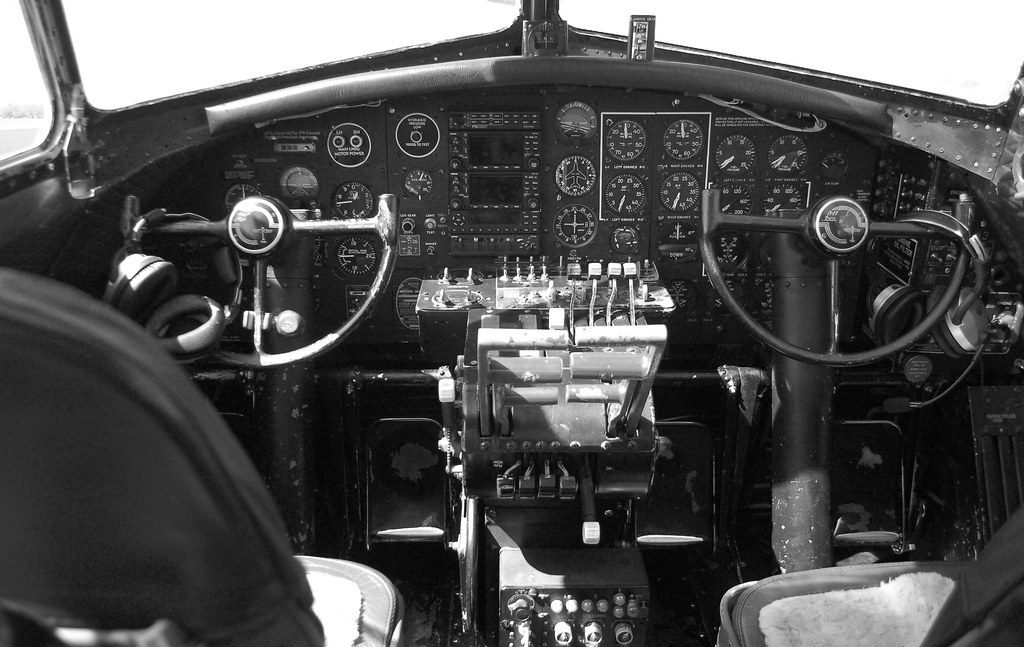
Crawling up ladder to the nose of the plane you enter a world from the 1940s. Here in the cockpit is a mix of wartime flight technology from 75 years ago blended with modern avionics for safer travel.
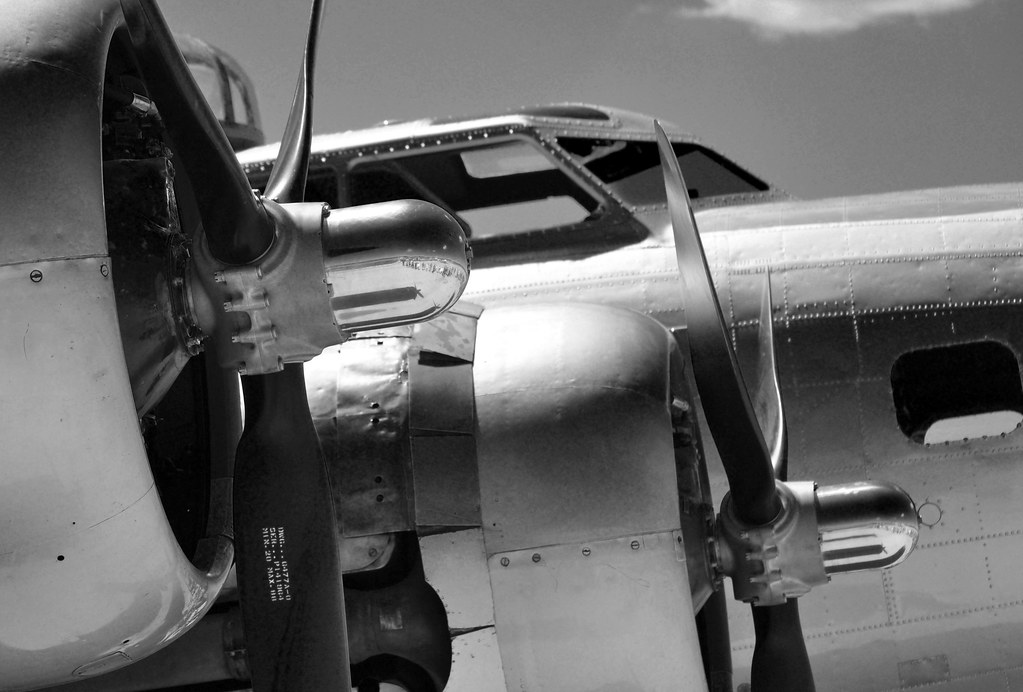
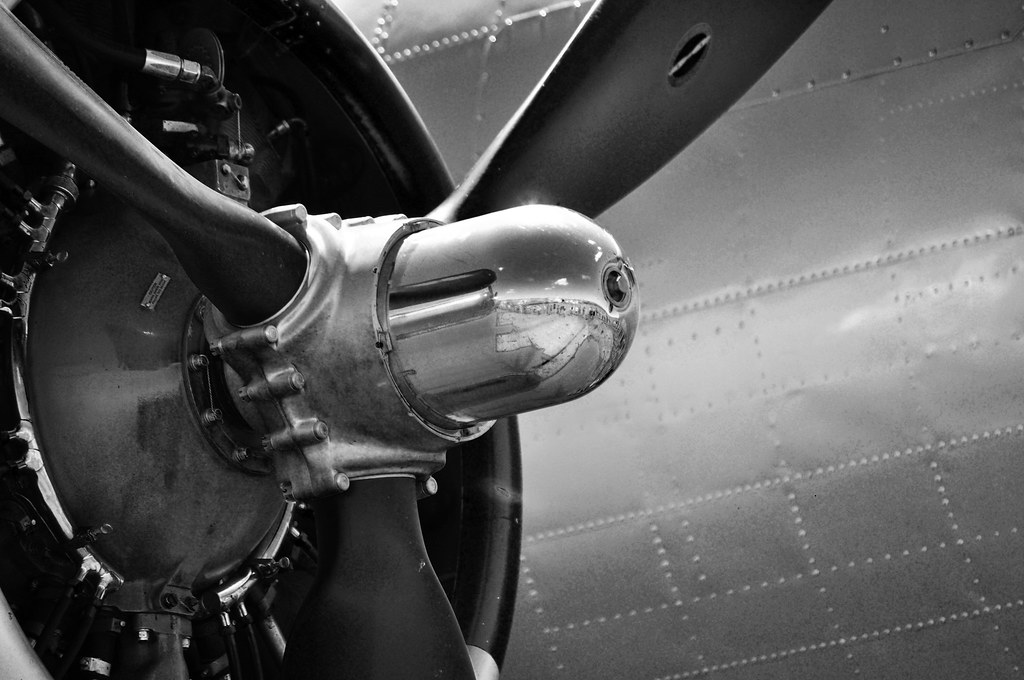
One of the secrets of B-17 longevity in battle was the strength of its fuselage. Notice the rivet pattern of small squares on the aluminum airframe. These assembly points made it possible for the frame to better remain intact during flak bursts or gun fire.
One of four props at rest. Aluminum Overcast, until next time...
Monday, April 30, 2018
Iowa Winds
Spring in Iowa involves changing weather. Fourteen days ago the last snow fall melted in the eastern part of the state. Warm temperatures and wind gusts have been the story ever since the melt. Time to replace the tattered flags.
Sunday, April 29, 2018
Evening Glow of Quaker Oats Over the Quiet Cedar River
Just minutes after sunset, the glow of cereal mill Quaker Oats shines brightly over the placid Cedar River in Cedar Rapids, Iowa. Look closely at the base of the main building - you can see a backhoe doing work. The cereal plant continues to make improvements in their floodwall as the city of Cedar Rapids determines what it needs to protect the homes and businesses along the river from future floods. This June will be 10 years since the great flood that severely impacted the city. Compare this April 2018 photo (above) of the plant with the view found at this link. Quaker Oats is located towards the top of the linked photo.
Saturday, March 10, 2018
Stacks of Tires
At a local 1/2 mile racetrack called the Hawkeye Downs Speedway, there are several artifacts in storage from past seasons. Stacked with discarded race tires you can find the maintenance facility's stockpile of used or damaged tires.
Perhaps the intended purpose for keeping this amount of rubber on hand is to maintain a supply for various short term needs. Whatever the case, today the tires contain frozen water inside the form, reminding us that winter is still here officially for 10 more days.
Monday, March 5, 2018
Iceberg Right Ahead on Indian Creek
Ice breakup is such a bizarre scene but one that usually occurs during the end of winter on my section of Indian Creek. Recent rain and warm temperatures help melt snow and fill creek beds. If winter is still present, the rise in water causes ice to break and float downstream. As the water recedes, the mini icebergs rest haphazardly.
Labels:
carpathia,
Cedar Rapids,
ice,
iceberg,
Indian Creek,
iowa,
spring,
water
Sunday, February 4, 2018
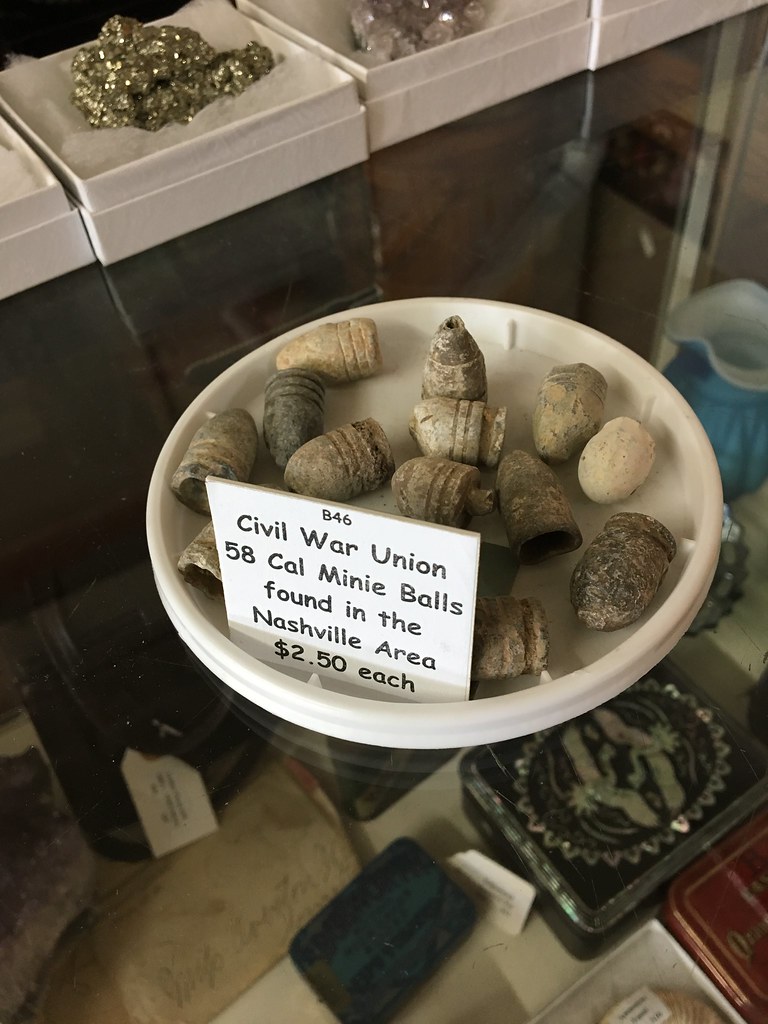
Battle of Nashville Bullets Found
In Livingston, Tennessee an antique dealer sold me these four Civil War bullets. He told me that he had bought them from a 90 year old collector who had dug these with a metal detector near Nashville before the property was commercially developed in the 1970s.
The 90 year old told him that these were most likely part of the Battle of Nashville which was fought on December 15–16, 1864. Union (Federal) troops defeated the Confederate Army of Tennessee and marked the end of major Confederate offensives in the Western theater during the Civil War. For now these bullets will reside in Iowa's 42N territory.
Labels:
battle of Nashville,
bullets,
Civil War,
lead,
Livingston,
Nashville,
Tennessee,
war
Wednesday, January 24, 2018
Looking for the Jailhouse Keys to Overton County, Tennessee
Back in the day if you found yourself as a guest in the Overton County Jail, chances are you might have seen these keys in action. While now part of the county's history museum in Livingston, these well-worn keys can still seal or open the doors to simulated incarceration or conversely, to freedom. It all depends on your outlook and, of course, bailability.
Friday, January 12, 2018
Holiday Lights of McMinnville, Tennessee
McMinnville, Tennessee is home to the Warren County seat. In the town's square, a running fountain and surrounding displays were decked out with the lights of the season last month.
Despite cold nighttime temperatures in the low teens during the Christmas week, the city display featured a full spectrum of color without a trace of snow.
Main Street's glow was a spectacular sight even for those foolish enough to venture out and photograph the displays in the freezing temperatures.
After seeing me and my tripod gear in or near the street, drivers in passing cars stopped in the middle of the road, rolled down their windows, learned out and snapped photos from their cell phones of the lite landscape. They had the good sense to keep warm and only were exposed for a few moments of the seasonally cold Tennessee weather.
Tuesday, January 2, 2018
Wreaths Across America and Other Memorials at Stone River National Cemetery December 2017
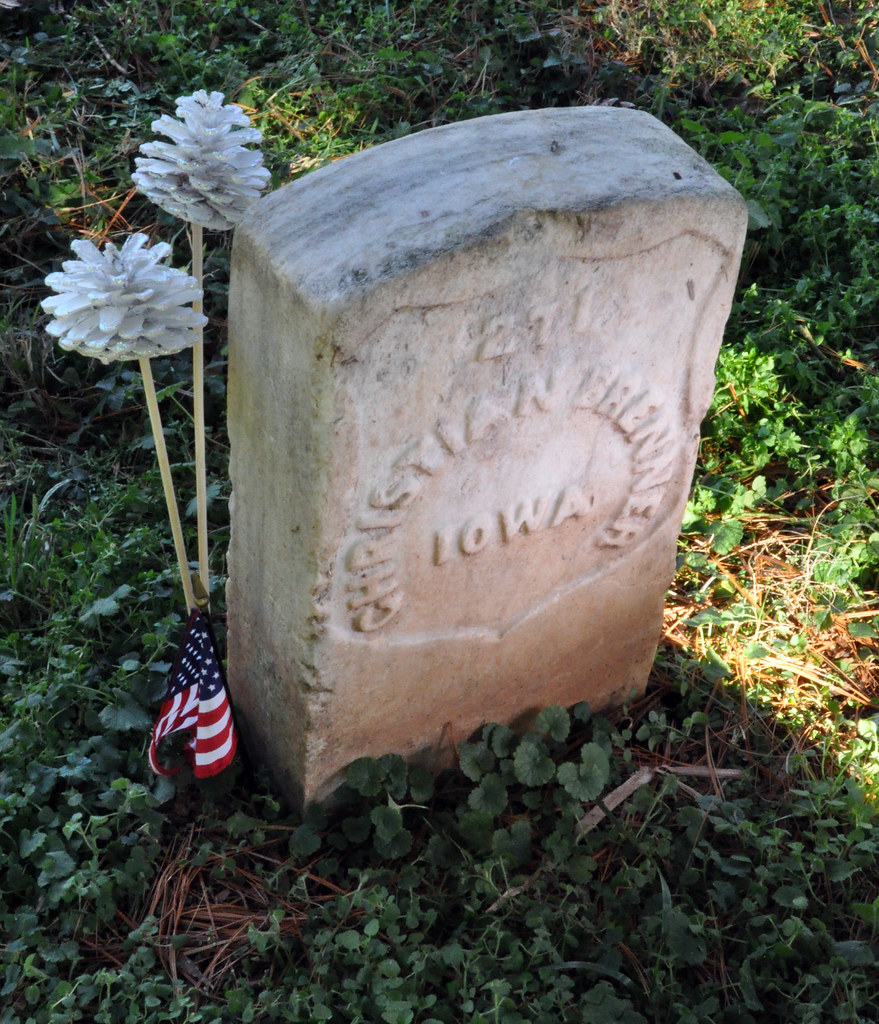
Today is the 155th anniversary of the end of the Battle of Stones River in Murfreesboro, Tennessee. Last week I visited the battlefield to see an adopted Iowa soldier's grave, Christian Brenner. He died following the Battle of Nashville and was later interred at Stones River.
Wreaths Across America, the national organization provides balsam wreaths with hand tied red bows for veteran's graves at participating cemeteries like the Stones River National Cemetery. This year was the second time that I have seen the wreaths placed, in part, within the Murfreesboro landmark.
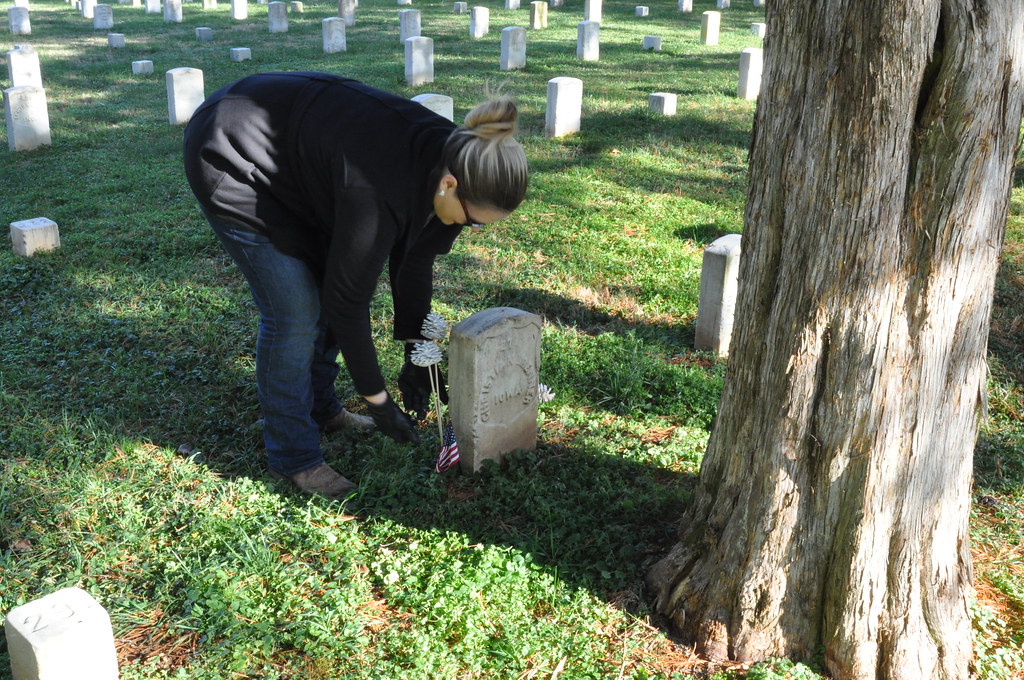
While Wreaths Across America provides a substantial amount of wreaths for Stone River, there is a budget and therefore not all graves receive a wreath. Knowing that Christian Brenner's grave (number 271) is located about two thirds the way from the entrance, his grave doesn't receive an annual wreath. So the 42N team purchased decorative white pine cones and placed them on his grave, having not been able to find a wreath at local floral stores on the day we visited. Nearby another Iowa veteran, I. Harrington, is also buried. The team placed a white pine cone on his grave too.
Monday, January 1, 2018
Ingram's Stephen P. Venable Tug Works Late December on the Ohio River

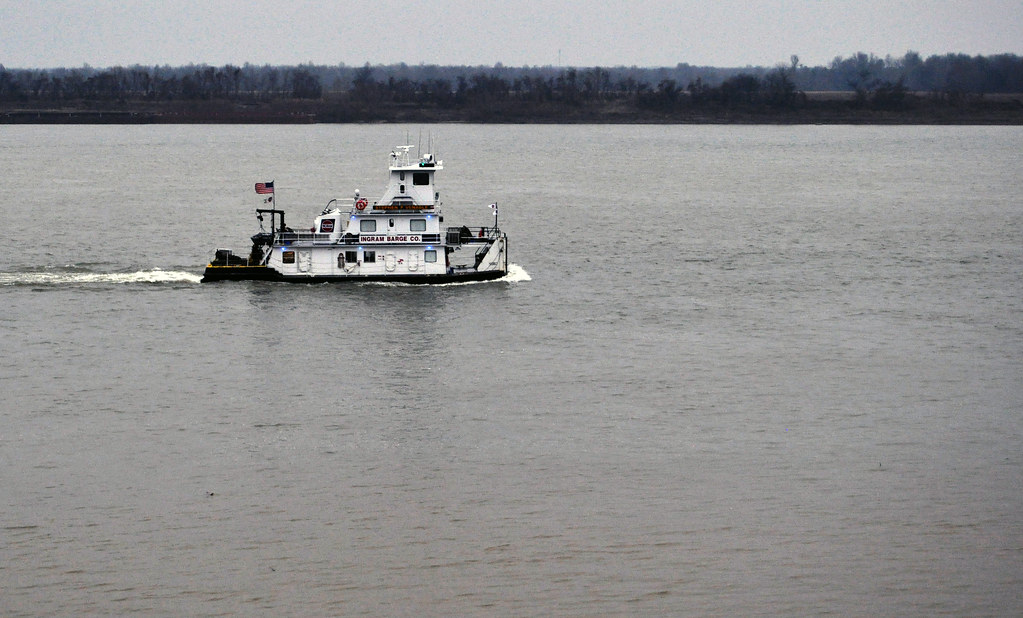
The Ingram tug, Stephen P. Venable makes her way upriver near the Port of Paducah, KY on the Ohio River on December 23, 2017 in late afternoon. This view is from the Fort Massac area where the monuments to the past overlook the present day work boats. About a week later, arctic air passed through this area, leading to ice formations on the river and a halt to barge traffic on the Ohio for the moment.
Labels:
barge,
Fort Massac,
Ft Massac,
Ingram,
Ingram Barge Company,
KY,
Ohio river,
Paducah,
river,
tug,
work boat
Sunday, December 10, 2017
Guarding the Indiana Military Museum WWI Trenches
Behind the Indiana Military Museum in Vincennes, Indiana, visitors can walk through a replica of the fighting trenches of Europe used extensively during WWI. To spice things up, my favorite Great War soldier was added to the October 2017 image to stand guard once again. Had this been an actual photo of a soldier in the trenches of France, his cap would have been replaced by a regulation steel helmet. This soldier served in the AEF's 87th Division, 345th Infantry for the Service of Supply (SOS) unit. His primary duty was to guard German POWs as he was able to speak and understand the language.
Friday, December 8, 2017
USS Iowa BB-4 Part of Stereo Card...and History
Before the WWII battleship (now a museum) of the same name, the USS Iowa name was first bestowed to a new class of war fighting ships over 120 years ago. This photo was processed from a stereo card that yellowed through the years. I processed the scan and improved the overall condition of the image.
The Iowa was commissioned in 1896 and saw active duty off of Cuba during the Spanish American War including the battle of Santiago Harbor. It was the first US Navy ship to be named Iowa. Following de-commissioning in 1919, the ship finally served as a target platform off Panama Bay in 1923 and was sunk. The Universal Photo Art Company produced the original stereo card.
Labels:
battleship,
bb-4,
Cuba,
history,
Spanish American War,
USS Iowa,
war
Subscribe to:
Posts (Atom)