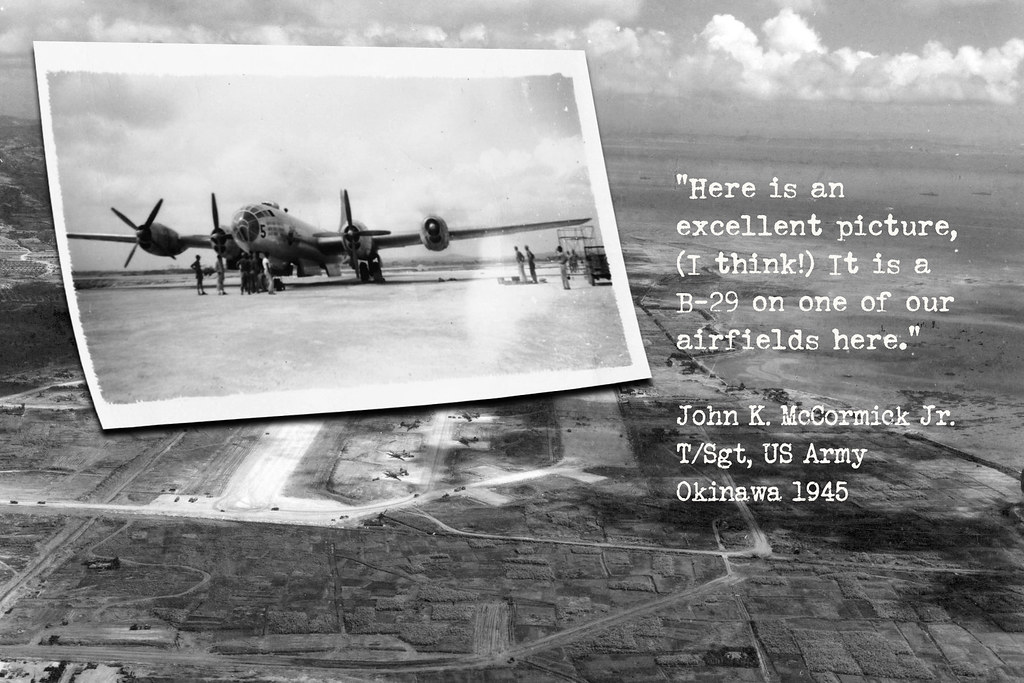
At a recent estate sale I purchased several World War II-era photos which are attributable to John K. McCormick Jr., a former U.S. Army soldier who was stationed on Okinawa, following the fierce fighting against Japanese forces. Several images show day-to-day army life on the island, with only a few snapshots displaying air power. On the photo's backside, John wrote a sentence or two about the image's subject matter, adding to the overall record of the historic time period. As a Photoshop design experiment, I scanned John's photo and reposted the description content onto an aerial photo (different source) of the WWII Okinawa airfield. The final composite brings John's image into greater historical context.
Thursday, July 26, 2018
A Photo from WWII Okinawa
At a recent estate sale I purchased several World War II-era photos which are attributable to John K. McCormick Jr., a former U.S. Army soldier who was stationed on Okinawa, following the fierce fighting against Japanese forces. Several images show day-to-day army life on the island, with only a few snapshots displaying air power. On the photo's backside, John wrote a sentence or two about the image's subject matter, adding to the overall record of the historic time period. As a Photoshop design experiment, I scanned John's photo and reposted the description content onto an aerial photo (different source) of the WWII Okinawa airfield. The final composite brings John's image into greater historical context.
Wednesday, July 25, 2018
Marshalltown Iowa Post Tornado Recovery
On Thursday, July 19th a F3 tornado ripped downtown Marshalltown, Iowa. Fortunately there were no deaths or serious injuries associated with the tornado but property damage was extensive including this 1880-era courthouse. It will take months and years before normalcy returns to the town of 26,000.
I took several photos of the devastation and posted them on Facebook. I will post several here.
Thursday, July 5, 2018
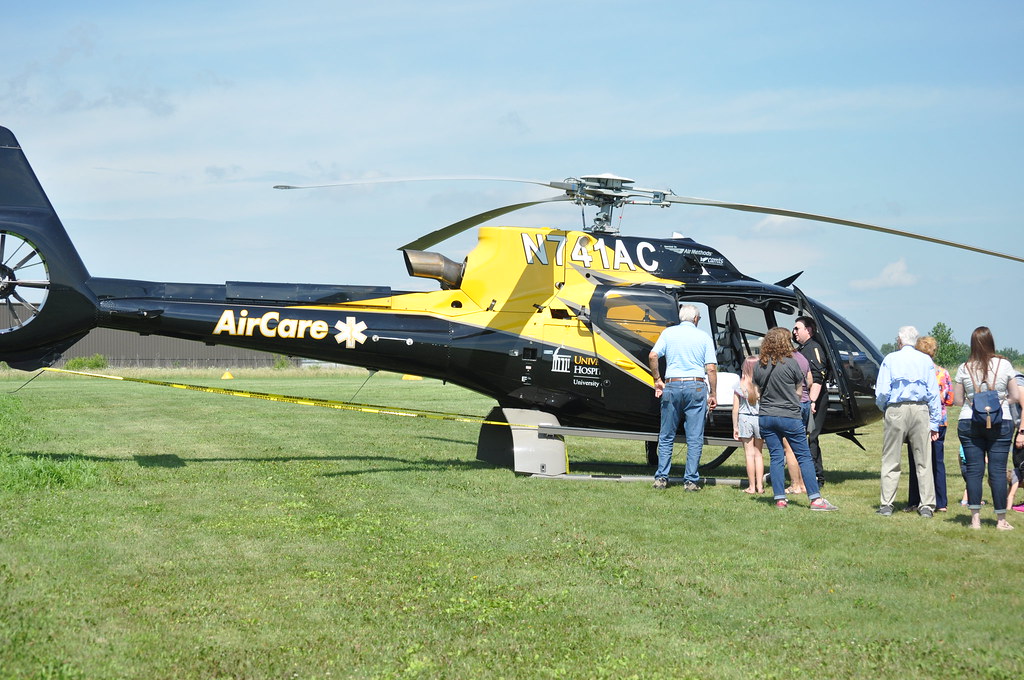
Just in Case You Need N741AC
Outside of static displays such as this, if you see a black and gold aircare helicopter on the scene somewhere in eastern Iowa it is usually serious business for an injured citizen.
On this occasion, the annual Marion (Iowa) fly-in, helicopters from local hospitals make a visit along with several small planes, classic cars and assorted robotics just ahead of the July 4th celebration.
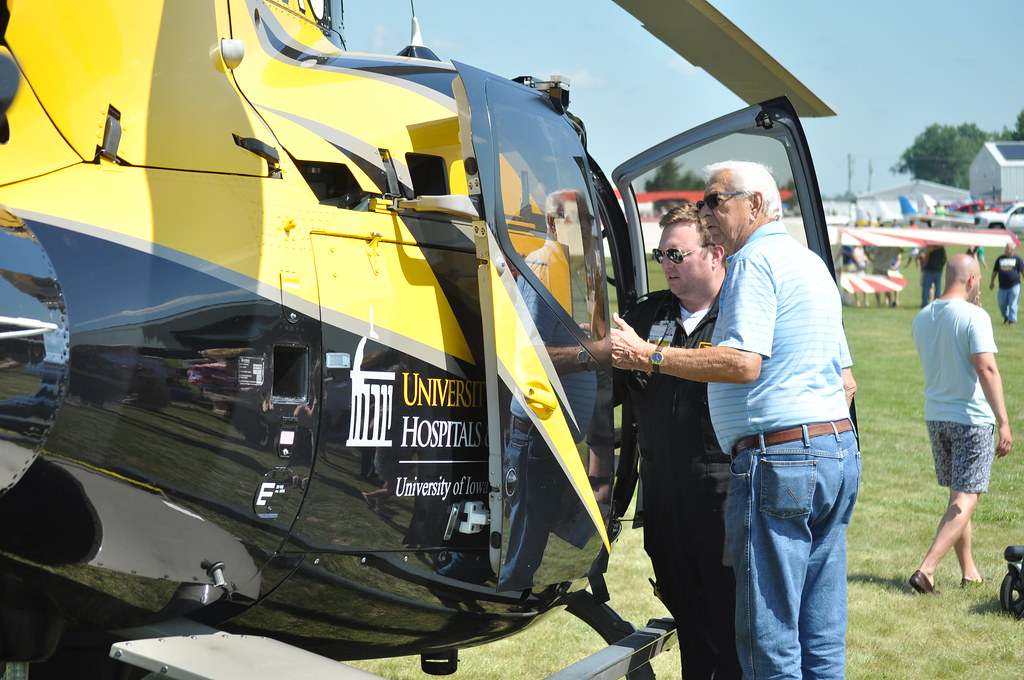
The copter's EMT gives a quick overview of the purpose of the mobile platform based at the University of Iowa Hospitals and Clinics in Iowa City.
Many families stand in line to let their kids to see the UI helicopter and have a chance to sit at the controls. This is a 2014 Eurocopter 130 T2.
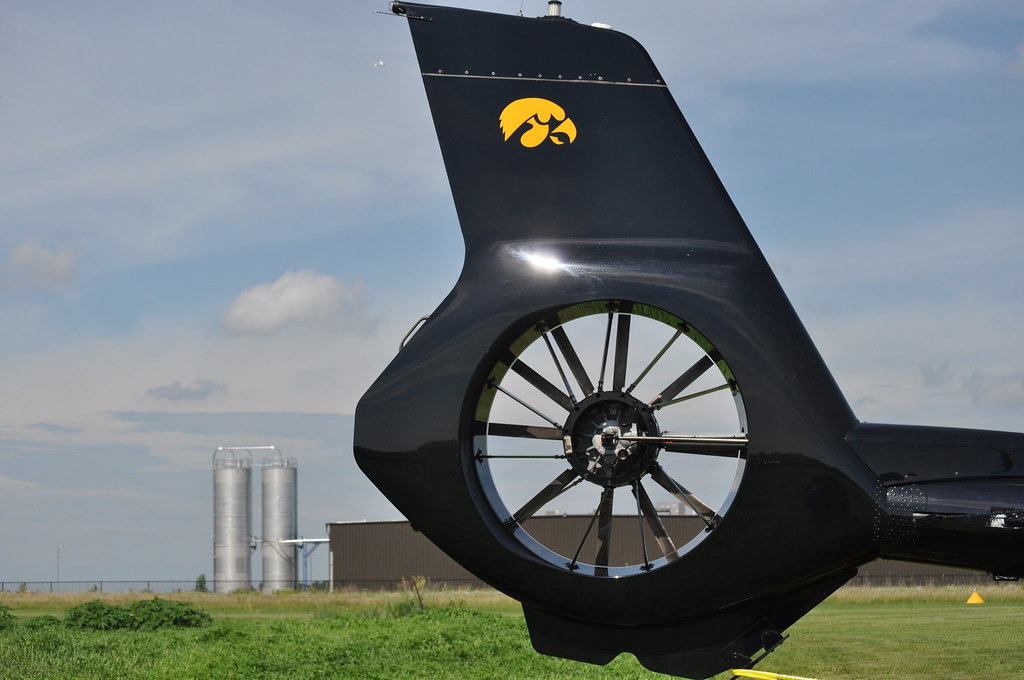
The Hawkeye logo adorns the rotor tail housing. Go Hawks.
Wednesday, July 4, 2018
Sunday, July 1, 2018
Cherry Hot Dashboard for a '56 Chevy Bel Air
At last weekend's Marion (Iowa) fly-in a selection of classic cars displayed their best chrome and hot paint finishes. This 1956 Chevy Bel Air interior is a show stopper with all its original and modified shine. The guy that owns the car says he has invested a bunch of dollars into some of the latter restoration projects. He hopes that investment will at least keep the car's value up but really doesn't know. He is more proud of the show quality of the half century old Chevy than selling at the moment.
Labels:
56 chevy,
bel air,
classic cars,
iowa,
Marion,
Marion Fly-In,
summer
Saturday, June 30, 2018
A Day at the Museum of Natural History - Macbride Hall
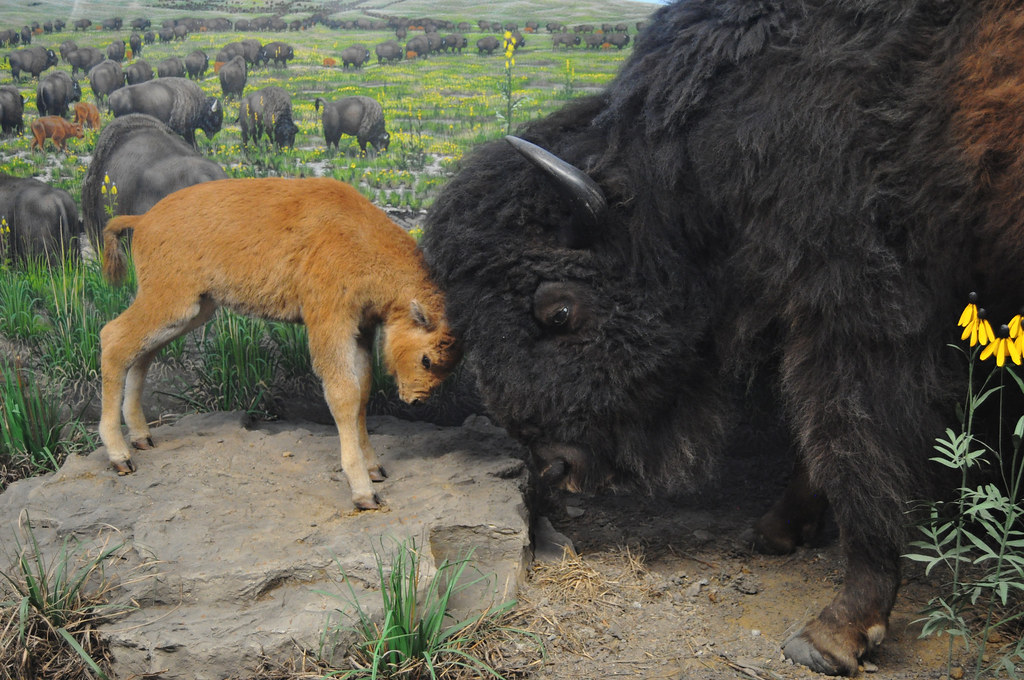
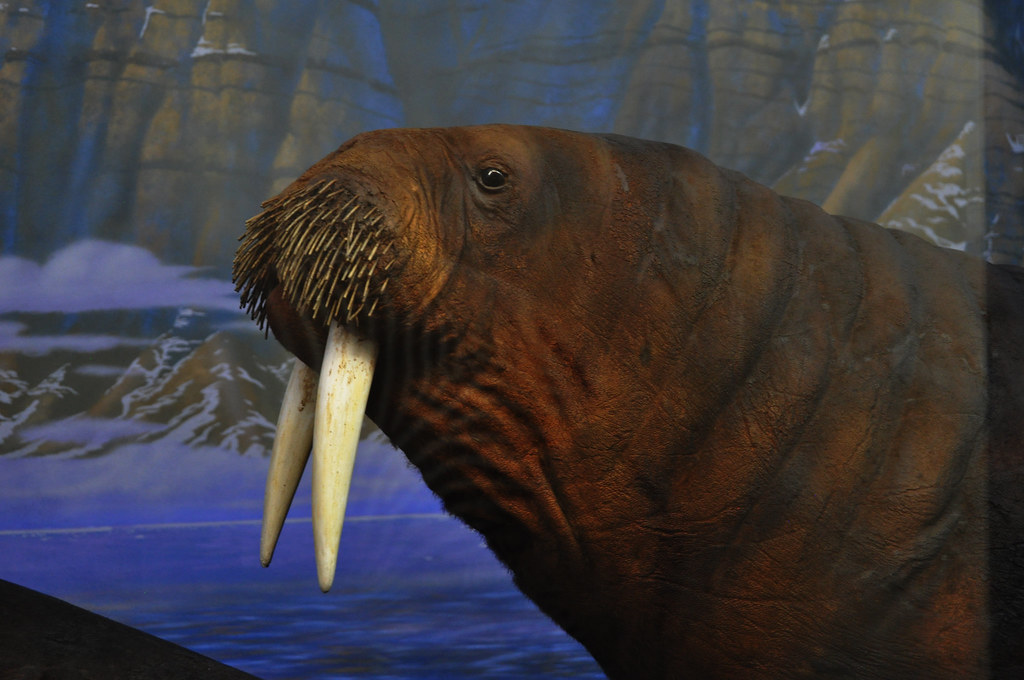
Hidden in plain site on the University of Iowa's main campus is the Museum of Natural History at Macbride Hall located on the pentacrest. The museum occupies sections of three floors. On the third floor's Mammal Hall is home to a collection of large and small mammals from all over the world.
Some of the larger taxidermized animals where prepared over a hundred years ago. If you look closely you can see cracks in the skin from years of heat and light exposure.
As a active museum students often participate in cleaning and modernizing the displays. Several of the background murals have been retouched or repainted over the years to give the display a fresh look.
Throughout the year and especially in the summer, school age students visit the Mammal Hall, Bird Hall and the Natural History portion of the museum. Text near the displays explain how the natural scenes came together in the early 1900s.
Some of the mammal displays are quite realistic and capture the environment of the natural setting like this otter placed in a scene from northern Minnesota. Always a favorite.
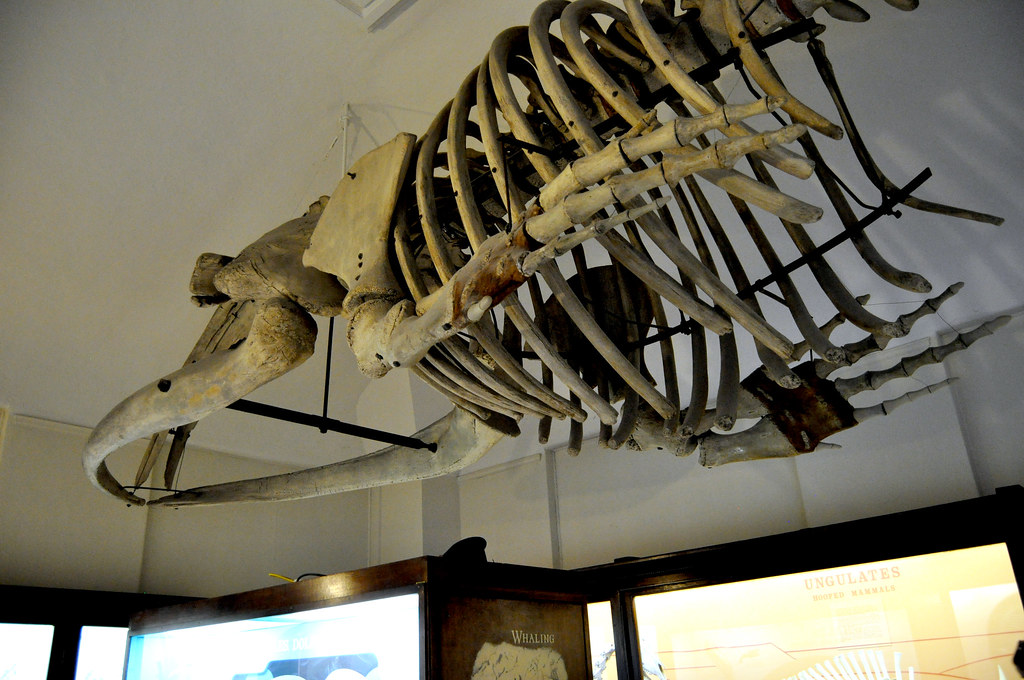
At one end of Mammal Hall is a display of ocean mammals and skeletons. Hanging above is a Right Whale skeleton that washed up on a beach over a hundred years ago. Today you can see it from the comfort of landlocked Iowa - some half a continent away from ocean shores. Access to the museum is free and is open most days except holidays and Mondays. If you are in Iowa City come check it out.
Labels:
display,
iowa,
Iowa City,
MacBride Hall,
mammals,
Museum,
natural history,
UI
Wednesday, June 20, 2018
Wednesday, June 6, 2018
D-Day Type Higgins Boat Under Restoration at Indiana Military Museum
For years I have contemplated traveling to Normandy, France to see firsthand the beaches where Allied forces came ashore on D-Day 1944. While that goal persists, I recently came in contact with an icon of that pivotal day.
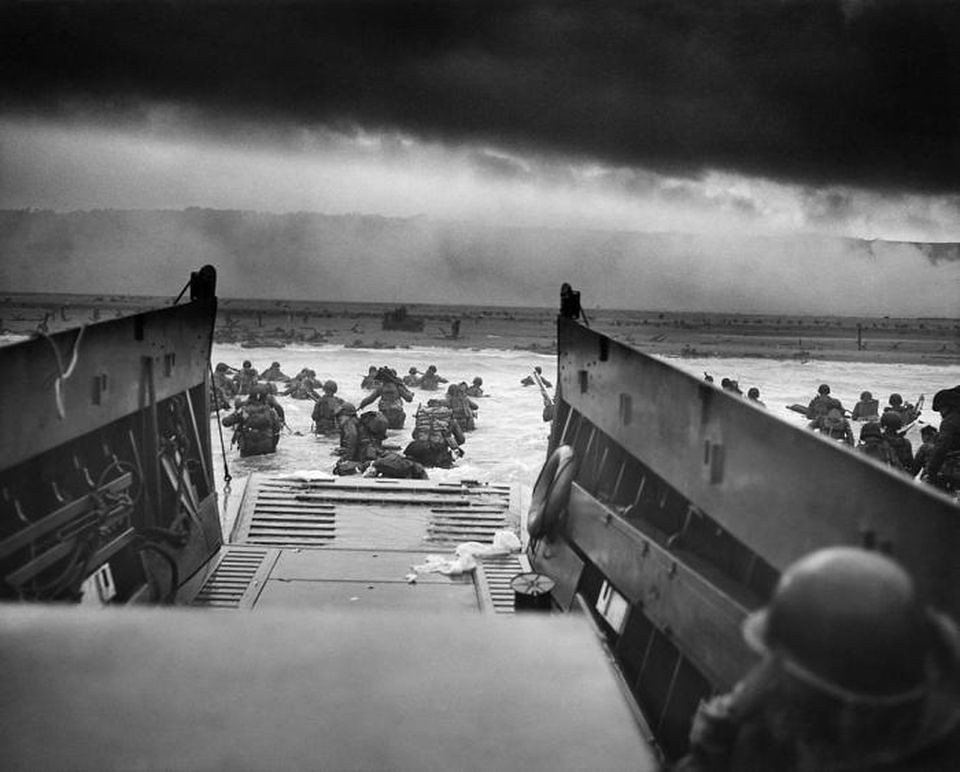
This much reproduced photograph (now in public domain) by Robert F Sargent, shows US troops debarking from their landing craft at Normandy's Omaha beach on D-Day. The modern film, Saving Private Ryan opens with this same scene re-imagined for the movie.
The vessel type, known as Higgins Boats by their manufacturer, was designated the Landing Craft, Vehicles and Personnel or LCVP, and was operated by the US Navy. Reports of up to 839 Higgins boats were used to carry US troops and materiel during support of D-Day, June 6th.
Higgins Boats were made of wood and designed to operate in shallow water. LCVPs were powered by 225-250 hp engines, operated by a crew of three, and carried up to 36 soldiers or was reconfigured to haul jeeps and supplies. Higgins Boats were protected with two 30 caliber machine guns.
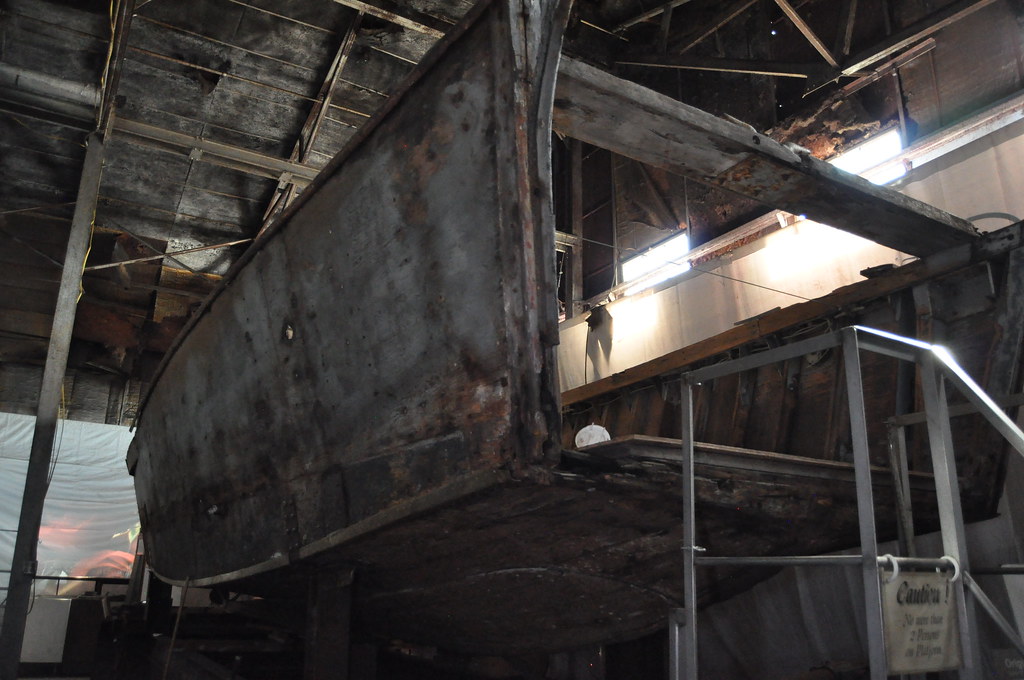
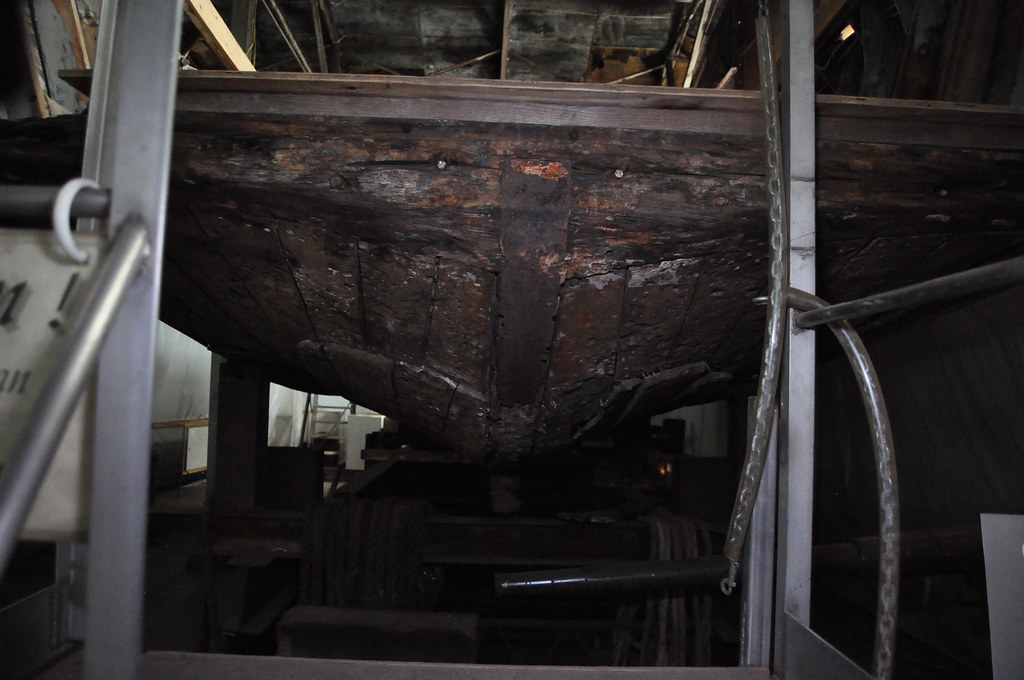
I thought (incorrectly) that LCVPs used at Normandy were constructed of 100% steel for protection of its contents. Not so. Not even close. See for yourself.
My schooling occurred far from 1944 Normandy in land-locked Vincennes, Indiana at the home of the Indiana Military Museum last fall. There, in the museum's expansive warehouse is a rare specimen of a surviving Higgins Boat - one of 12 reportedly left in the world.
This Higgins Boat was purchased or donated to the museum from a source in Florida during 2012. I believe the craft was last actively used as a fishing boat. The museum is seeking to restore the Higgins Boat for public display - donations are accepted.
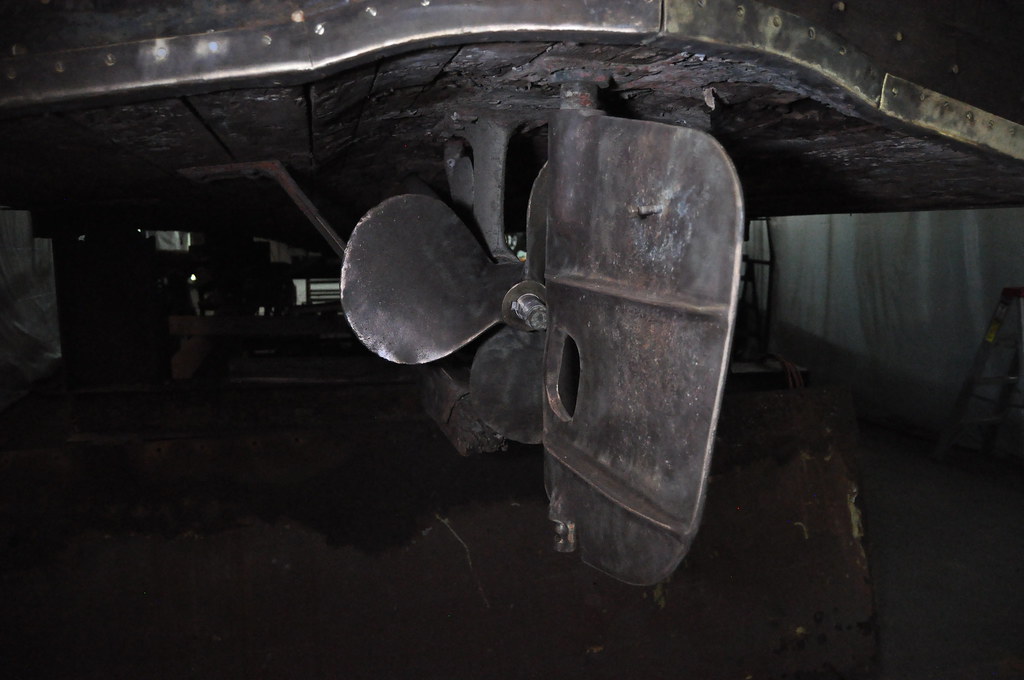
Here are a selection of photos of AG 9-2 in her original Navy colors. Inspect the draft, beam, and propeller section of this incredible and historic boat.
There is no mention at the museum as to the history of this particular Higgins Boat during the war. More research is needed. Regardless of its use, either in the Atlantic or Pacific theaters of war, Higgins Boats are forever tied to the D-Day landing at Normandy beaches 74 years ago today.
This much reproduced photograph (now in public domain) by Robert F Sargent, shows US troops debarking from their landing craft at Normandy's Omaha beach on D-Day. The modern film, Saving Private Ryan opens with this same scene re-imagined for the movie.
The vessel type, known as Higgins Boats by their manufacturer, was designated the Landing Craft, Vehicles and Personnel or LCVP, and was operated by the US Navy. Reports of up to 839 Higgins boats were used to carry US troops and materiel during support of D-Day, June 6th.
Higgins Boats were made of wood and designed to operate in shallow water. LCVPs were powered by 225-250 hp engines, operated by a crew of three, and carried up to 36 soldiers or was reconfigured to haul jeeps and supplies. Higgins Boats were protected with two 30 caliber machine guns.
I thought (incorrectly) that LCVPs used at Normandy were constructed of 100% steel for protection of its contents. Not so. Not even close. See for yourself.
My schooling occurred far from 1944 Normandy in land-locked Vincennes, Indiana at the home of the Indiana Military Museum last fall. There, in the museum's expansive warehouse is a rare specimen of a surviving Higgins Boat - one of 12 reportedly left in the world.
This Higgins Boat was purchased or donated to the museum from a source in Florida during 2012. I believe the craft was last actively used as a fishing boat. The museum is seeking to restore the Higgins Boat for public display - donations are accepted.
Here are a selection of photos of AG 9-2 in her original Navy colors. Inspect the draft, beam, and propeller section of this incredible and historic boat.
There is no mention at the museum as to the history of this particular Higgins Boat during the war. More research is needed. Regardless of its use, either in the Atlantic or Pacific theaters of war, Higgins Boats are forever tied to the D-Day landing at Normandy beaches 74 years ago today.
Labels:
1944,
Allies,
boat,
D-Day,
France,
Germans,
Germany,
Higgins boat,
invasion,
June 6,
Normandy,
Operation Overload,
Saving Private Ryan,
WWII
Wednesday, May 30, 2018
Exodus over the Mississippi
A recent United Van Lines survey of where Americans are moving from indicated that people are leaving the state of Illinois. That may be so but on Memorial Day weekend 2018, there was practically no traffic on the Mississippi River bridge at Muscatine, Iowa.
Sunday, May 20, 2018
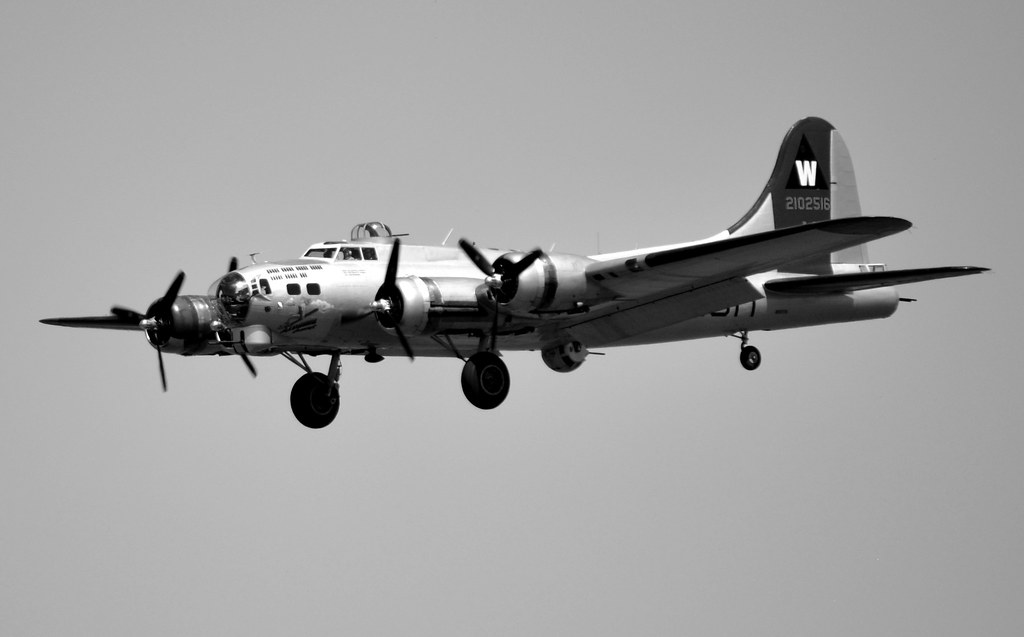
B-17 Aluminum Overcast Visits Burlington, Iowa
Almost annually a WWII warbird visits the Hawkeye state. This year, Aluminum Overcast, one of nine flying B-17s made a three day stop in Burlington situated along the Mississippi River on May 4th through 6th.
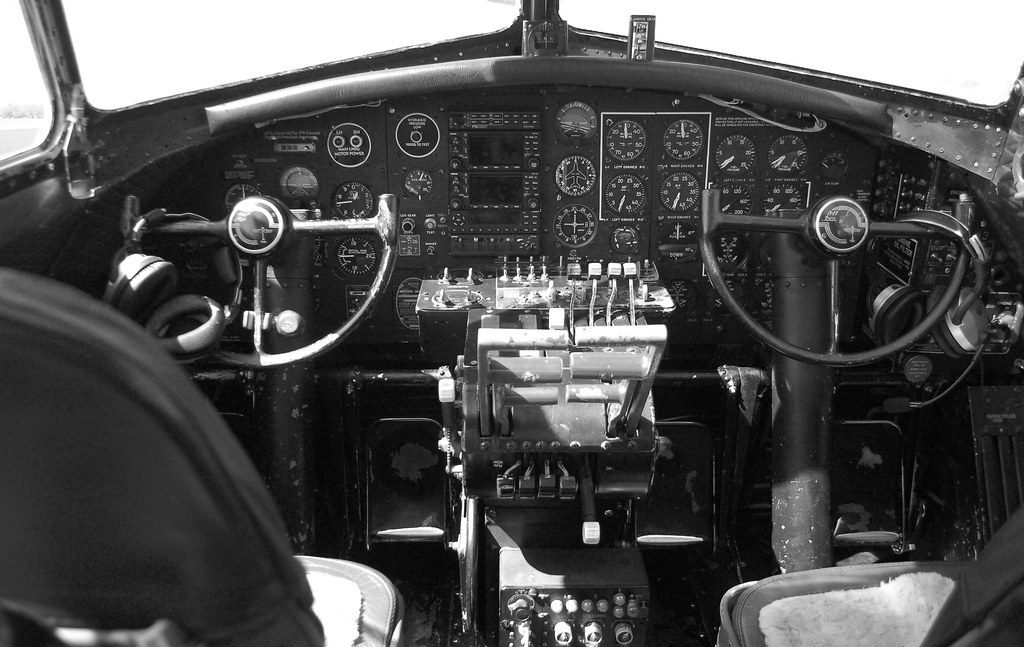
Crawling up ladder to the nose of the plane you enter a world from the 1940s. Here in the cockpit is a mix of wartime flight technology from 75 years ago blended with modern avionics for safer travel.
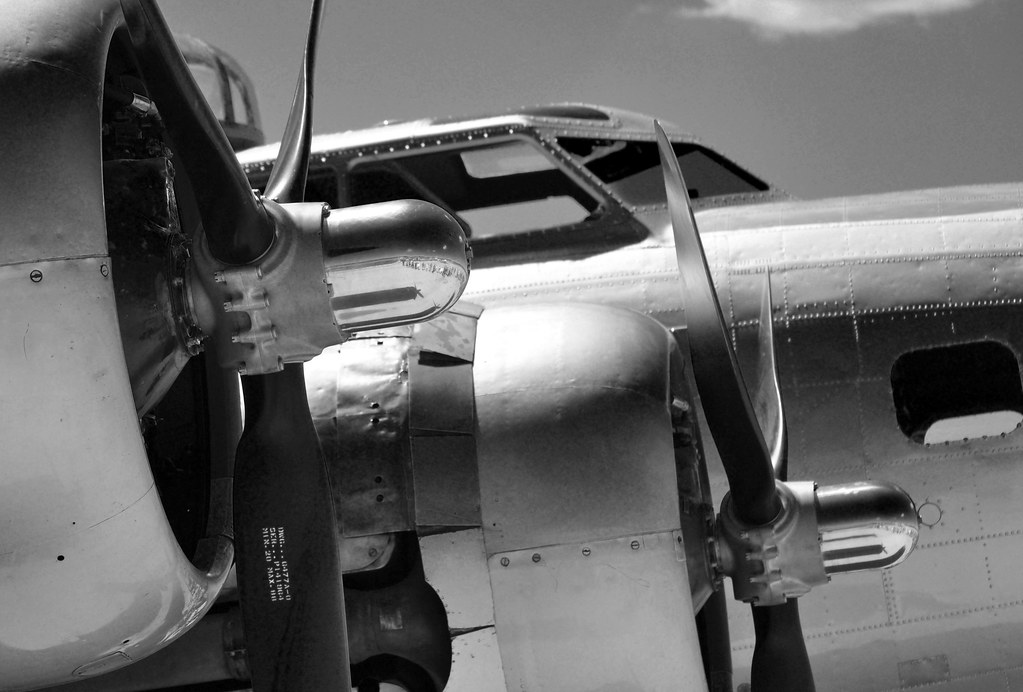
One of the secrets of B-17 longevity in battle was the strength of its fuselage. Notice the rivet pattern of small squares on the aluminum airframe. These assembly points made it possible for the frame to better remain intact during flak bursts or gun fire.
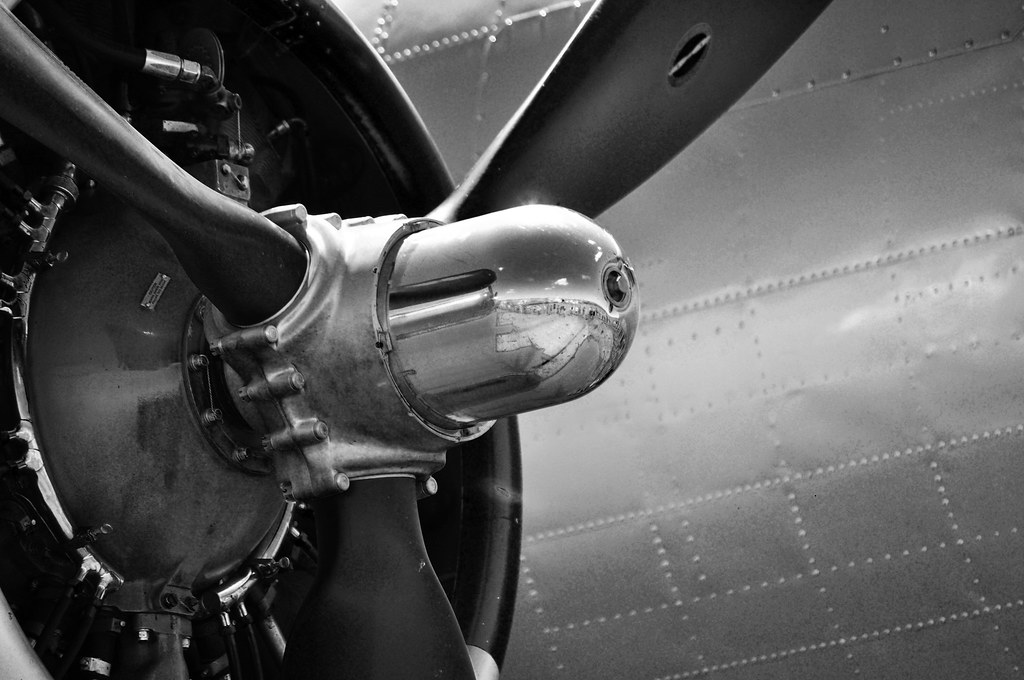
One of four props at rest. Aluminum Overcast, until next time...
Monday, April 30, 2018
Iowa Winds
Spring in Iowa involves changing weather. Fourteen days ago the last snow fall melted in the eastern part of the state. Warm temperatures and wind gusts have been the story ever since the melt. Time to replace the tattered flags.
Sunday, April 29, 2018
Evening Glow of Quaker Oats Over the Quiet Cedar River
Just minutes after sunset, the glow of cereal mill Quaker Oats shines brightly over the placid Cedar River in Cedar Rapids, Iowa. Look closely at the base of the main building - you can see a backhoe doing work. The cereal plant continues to make improvements in their floodwall as the city of Cedar Rapids determines what it needs to protect the homes and businesses along the river from future floods. This June will be 10 years since the great flood that severely impacted the city. Compare this April 2018 photo (above) of the plant with the view found at this link. Quaker Oats is located towards the top of the linked photo.
Saturday, March 10, 2018
Stacks of Tires
At a local 1/2 mile racetrack called the Hawkeye Downs Speedway, there are several artifacts in storage from past seasons. Stacked with discarded race tires you can find the maintenance facility's stockpile of used or damaged tires.
Perhaps the intended purpose for keeping this amount of rubber on hand is to maintain a supply for various short term needs. Whatever the case, today the tires contain frozen water inside the form, reminding us that winter is still here officially for 10 more days.
Monday, March 5, 2018
Iceberg Right Ahead on Indian Creek
Ice breakup is such a bizarre scene but one that usually occurs during the end of winter on my section of Indian Creek. Recent rain and warm temperatures help melt snow and fill creek beds. If winter is still present, the rise in water causes ice to break and float downstream. As the water recedes, the mini icebergs rest haphazardly.
Labels:
carpathia,
Cedar Rapids,
ice,
iceberg,
Indian Creek,
iowa,
spring,
water
Subscribe to:
Posts (Atom)